Men's Watch Sizes Explained: How to Choose the Right Watch Size
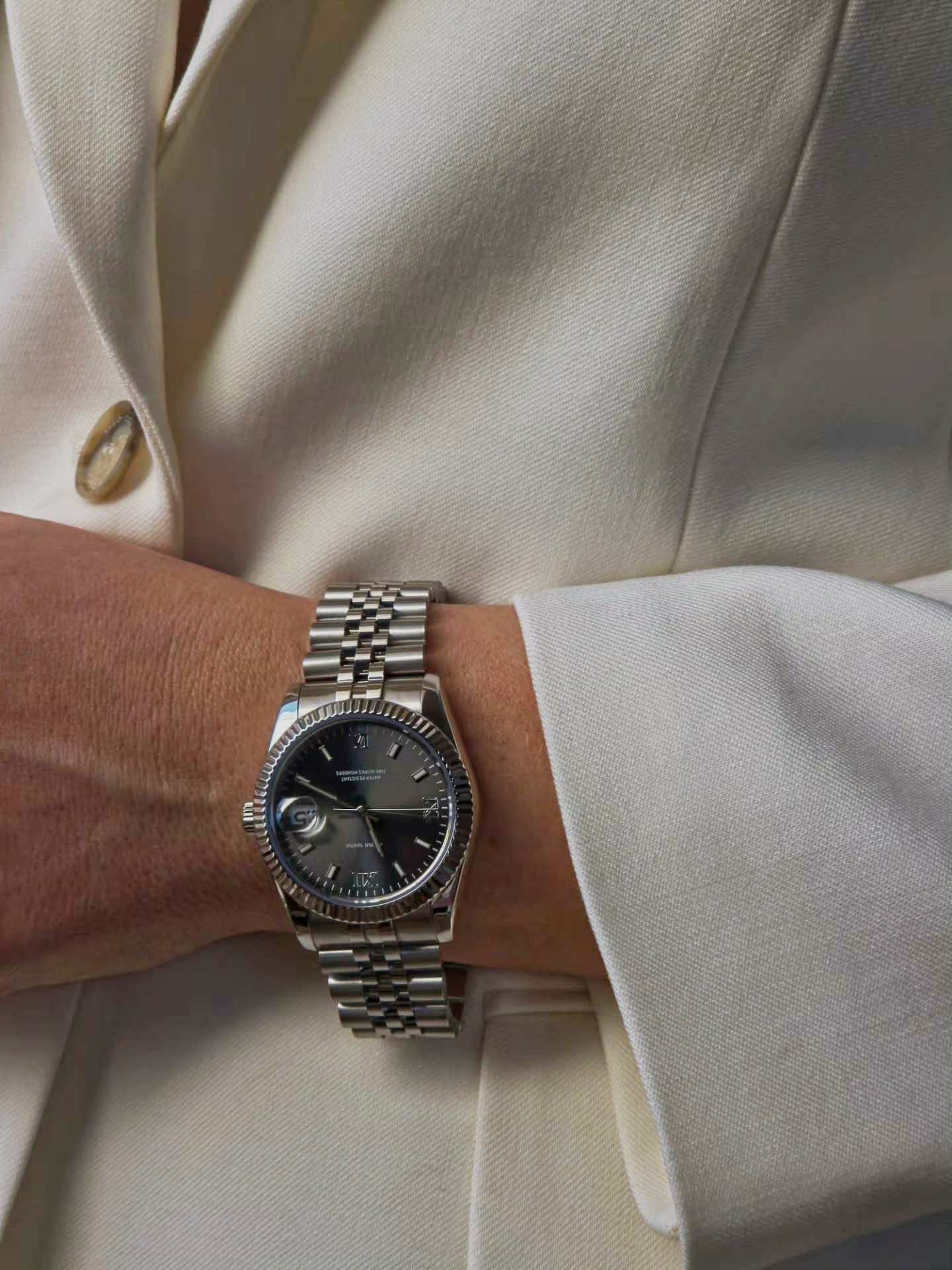
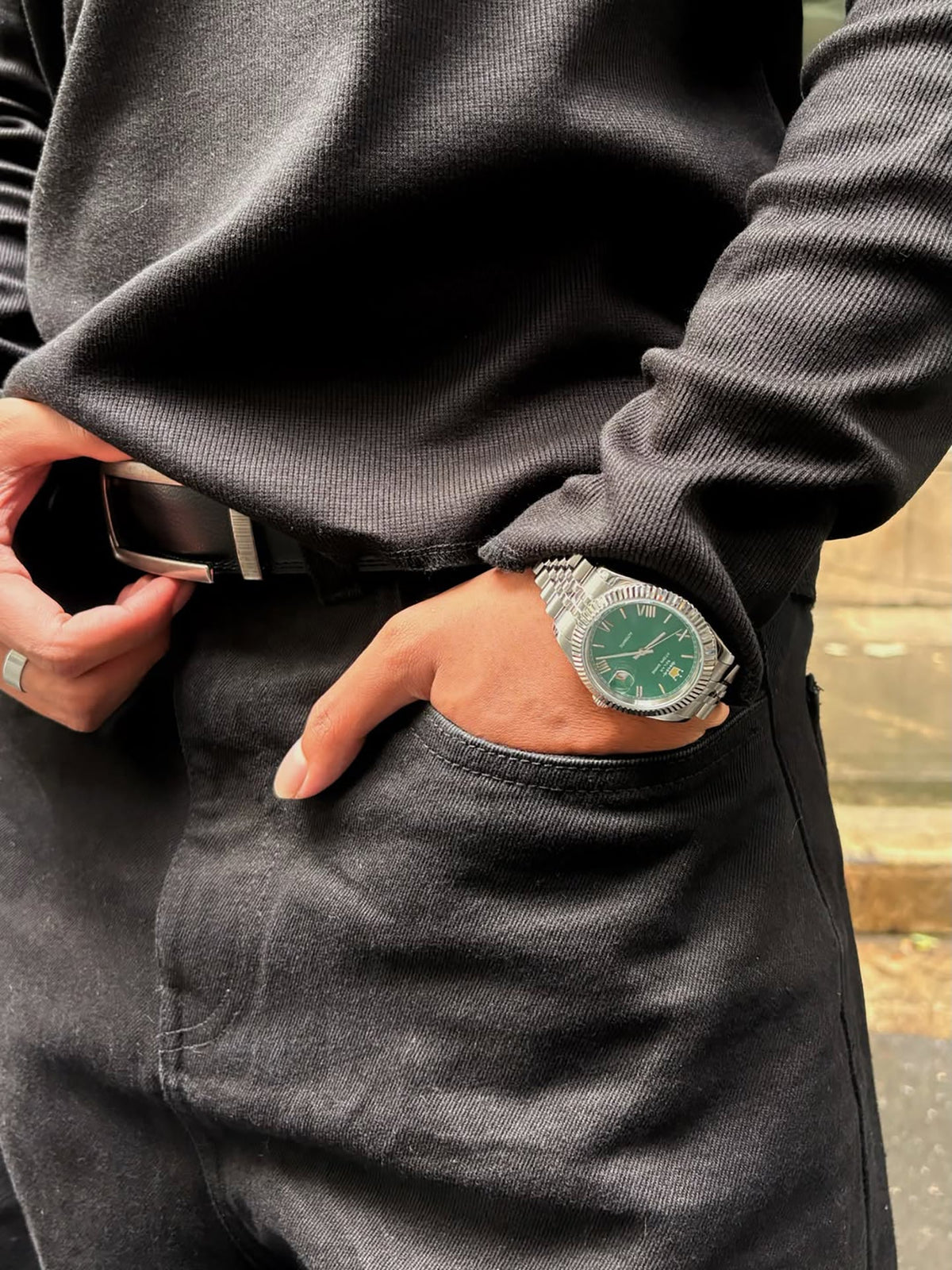
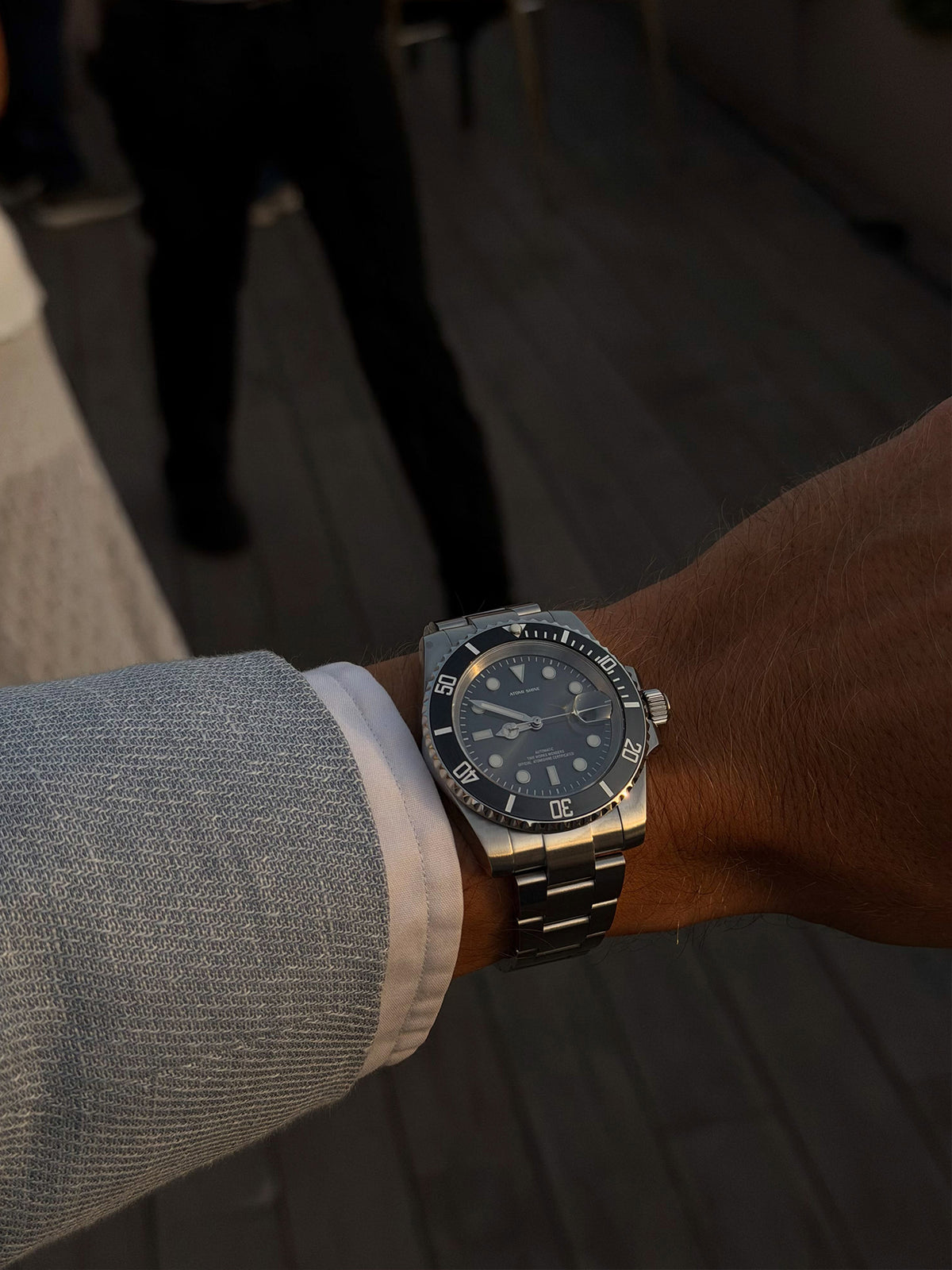
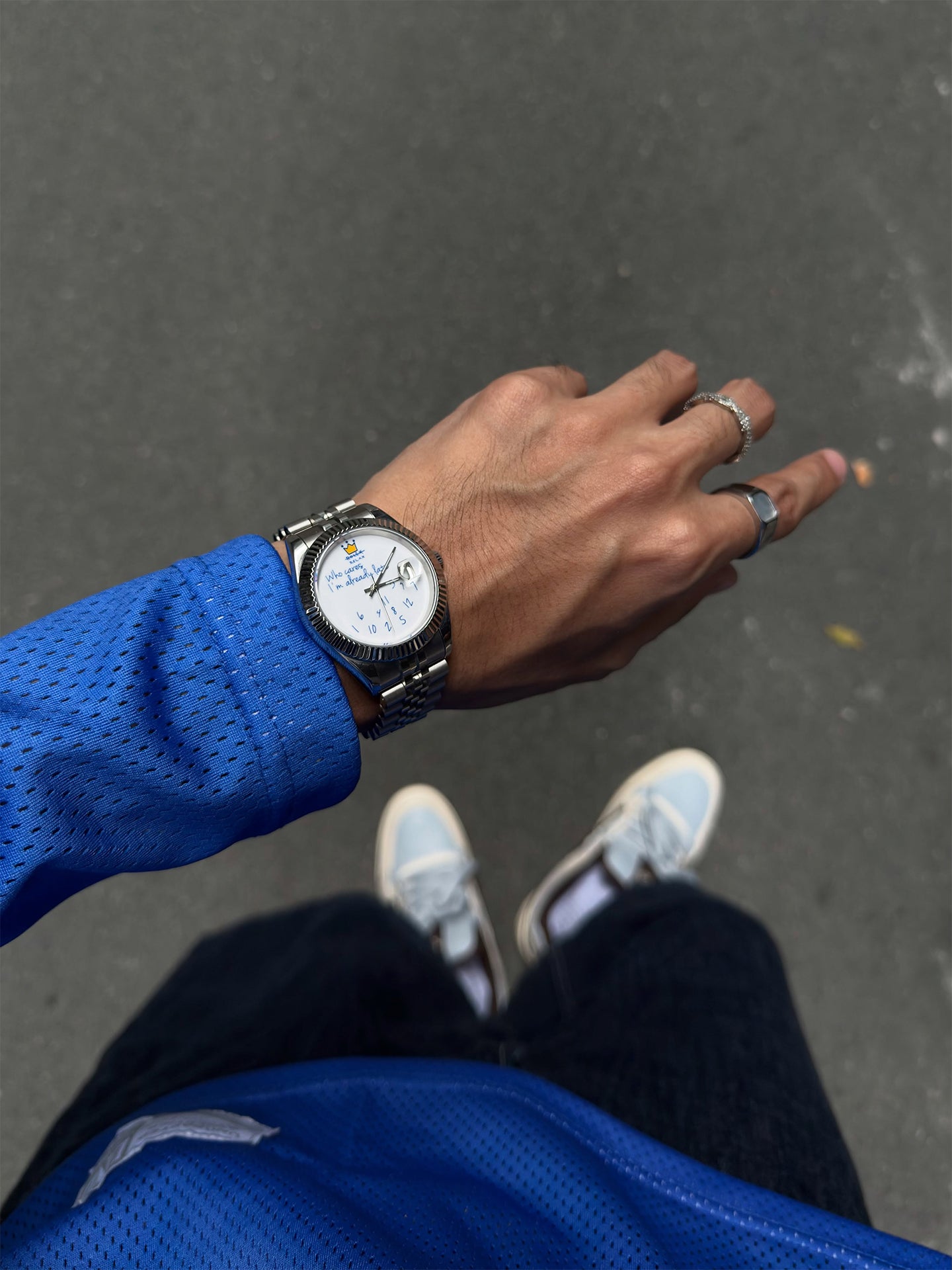
Choosing the right watch size involves more than looking at the case diameter. A watch can have a suitable width but still feel too large because of its thickness, lug length, or bracelet design. These measurements work together to determine how the watch sits on the wrist. There is no single correct size for every man, because wrist shape, personal style, and how the watch is worn all affect the final fit.
Modern watchmaking also offers more variety than the traditional idea that men's watches should be large. Men's watch sizes now range from compact dress watches and slim everyday models to larger sports watches. Understanding these proportions makes it easier to find a watch that suits both your wrist and your wardrobe.

Understanding Men's Watch Sizes
Case diameter is usually the first measurement buyers consider, but it is only one part of the equation.
Case Diameter
Case diameter measures the width of the watch case, generally excluding the crown. Men's watches commonly range from about 36mm to 44mm, although smaller and larger options are also available.
A 36mm case creates a restrained appearance, while a 42mm case has a stronger wrist presence. Even a few millimetres can make a noticeable difference, particularly on smaller wrists. When comparing men's watch sizes, case diameter should therefore be considered alongside wrist circumference and overall case proportions.
Case Thickness
Thickness has a significant effect on both appearance and comfort. Two watches with the same diameter can wear very differently if one is considerably thicker. Slim cases sit closer to the wrist and tend to work well with formal clothing. Thicker cases create more visual presence and may accommodate larger movements or additional functions.
Lug-to-lug Distance
Lug-to-lug distance measures the distance between the outer ends of the lugs. It indicates how much space the watch actually occupies across the wrist. A 40mm watch with long lugs may appear considerably larger than another 40mm model with shorter or curved lugs. For smaller wrists, this measurement can be particularly useful when evaluating men's watch sizes.
Men's Watch Sizes by Wrist Size
Wrist circumference is a useful reference, but there is no universal formula for choosing a watch. Case shape, lug length, thickness, and personal preference also influence the final appearance.
Small Wrists
Smaller wrists often suit cases around 36mm to 39mm, especially when the lug-to-lug distance stays compact and the case thickness remains moderate. These proportions provide enough presence without allowing the case or lugs to extend too far across the wrist.
This is one reason small watches for men have become more relevant in contemporary watch design. Compact watches are no longer limited to traditional dress styles. Modern examples can incorporate distinctive dials, durable materials, and contemporary movements while maintaining restrained dimensions.
Medium Wrists
Cases around 39mm to 41mm offer considerable flexibility. This range works across many categories and can transition between professional and casual settings.
For buyers comparing men's watch sizes, medium cases are often a practical starting point because they provide noticeable wrist presence without becoming visually dominant.
Larger Wrists
Larger wrists can accommodate cases above 41mm, particularly when a watch has a substantial bezel, bracelet, or sporty construction. However, a larger wrist does not automatically require a large watch. Excessive case size can overwhelm an outfit, while a moderate case may create a more balanced appearance. Proportion remains more important than size alone.
Why Small Watches for Men Are Gaining Attention
The growing interest in small watches for men reflects a broader move toward more varied case proportions. Large sports watches remain popular, but compact designs offer advantages in comfort and versatility.
Comfort and Versatility
Smaller watches generally have less overall mass and a lower profile, which can make them comfortable during extended wear. They also sit more easily beneath shirt cuffs and work naturally with casual clothing.
A More Refined Appearance
A compact case does not necessarily make a watch look less sophisticated. Smaller proportions can draw more attention to the dial, hands, and finishing details. A 37mm or 38mm watch can therefore create a deliberate and refined appearance rather than simply looking like a smaller version of a larger model.
What Are Skinny Men's Watches?
The term skinny mens watches generally refers to watches with slim cases or narrow overall proportions. These models are particularly useful for men who prefer understated accessories or regularly wear fitted sleeves.
Thin Does Not Mean Fragile
A slim case does not automatically indicate reduced durability. Modern manufacturing allows thin watches to use durable materials such as stainless steel, ceramic, and sapphire crystal.
The main challenge is fitting the movement and other components into a smaller vertical space. A well-engineered slim watch can therefore combine a low profile with dependable everyday performance.
When Slim Watches Make Sense
Skinny mens watches are especially practical for office environments and formal occasions because they can sit beneath a shirt cuff with minimal bulk. They can also work well for smaller wrists. Rather than reducing case diameter significantly, choosing a thinner model can create a more proportional appearance while retaining a comfortable dial size.
How Case Shape Changes Perceived Size
Case geometry can significantly change how a watch appears, even when two models have similar measurements.
Round Cases
Round cases remain the most common design because their proportions distribute visual weight evenly. They generally appear balanced and familiar on the wrist.
Square and Rectangular Cases
Square cases often create stronger wrist presence because their corners define a more pronounced visual boundary. A 38mm square watch can therefore appear larger than a 38mm round watch.
Rectangular cases emphasize length and often create a more elegant or architectural appearance. Their proportions can be particularly effective when combined with a slim profile.
Integrated Bracelets
Bracelet construction also affects perceived size. An integrated bracelet extends the visual lines of the case, making the entire watch appear broader across the wrist. This is another reason why comparing complete men's watch sizes requires looking beyond the diameter listed in the specifications.
How Weight and Thickness Affect Comfort
A watch should not only look proportionate but also remain comfortable throughout the day. Weight distribution can become noticeable during long periods of wear, especially when a substantial case is paired with a heavy bracelet.
Bracelet adjustment matters as well. Even a correctly sized case can feel uncomfortable when the bracelet is too loose or too tight. For this reason, choosing between small watches for men, medium-sized watches, and larger models should involve both visual preference and practical comfort.
Material choice can also influence the wearing experience. Carbon fiber watches can make larger case sizes feel easier to wear by reducing overall wrist weight, making them especially suitable for buyers who prefer a stronger visual presence without a heavy feel.
Ceramic watches offer a different experience with their smooth surface, refined appearance, and resistance to everyday micro-scratches. Their clean finish helps maintain a polished look over time, making them a strong option for buyers who value modern aesthetics and long-term visual consistency.
Choosing a Watch Size for Different Occasions
The appropriate size can depend on how and where the watch will be worn.
Business and Formal Wear
Slim cases are particularly suitable for formal clothing because they sit closer to the wrist and slide beneath shirt cuffs more easily. This makes skinny mens watches a practical choice for professional settings.
Casual Everyday Wear
Everyday watches offer greater flexibility. Cases around 39mm to 41mm often provide a useful balance between visibility and comfort without appearing excessive.
Sports and Outdoor Use
Slightly larger cases can be useful for sports watches when readability and additional functions are priorities, but weight and thickness should still be considered for comfort during movement. However, excessive thickness or weight can become inconvenient during physical activity.
How to Compare Men's Watch Sizes
When evaluating different watches, start with case diameter, then check thickness and lug-to-lug distance. Bracelet or strap width and total weight should also be considered. Comparing a new model with a watch you already wear comfortably can provide a practical reference. If you know the measurements of that watch, you can better understand how another case is likely to fit.
Finding the Right Men's Watch Size
There is no universal measurement that defines the correct watch size. Wrist circumference provides a starting point, while case diameter, thickness, lug-to-lug distance, and case shape determine the overall fit.
For understated proportions, small watches for men and skinny mens watches offer comfort and versatility. Larger cases may suit those who prefer stronger wrist presence, while medium sizes often provide greater flexibility.
The most important consideration is proportion. A well-sized watch should sit naturally on the wrist, complement the wearer's clothing, and remain comfortable throughout the day.