




Quartz vs Automatic Watch: What's the Difference and Which Should You Choose?
The first big decision that people who are new to horology frequently have to make is whether to get a quartz or an automatic watch. You can choose between the high-tech precision of modern technology and the centuries-old, complicated craft of mechanical engineering.
In this article, we will break down the mechanics of the quartz vs automatic watch, how their movements are different, and help you choose which one suits your needs.

What Is a Quartz Watch and How Does It Work?
A quartz movement watch is powered by a battery and a quartz crystal oscillator. With fewer moving parts, it is reliable and low-maintenance for everyday wear.
-
The Power Source: A small battery sends an electric current through a synthetic quartz crystal.
-
The Vibration: This current causes the crystal to shake 32,768 times every second.
-
The Pulse: An integrated circuit picks up these vibrations and sends them to the watch every second as an electric pulse.
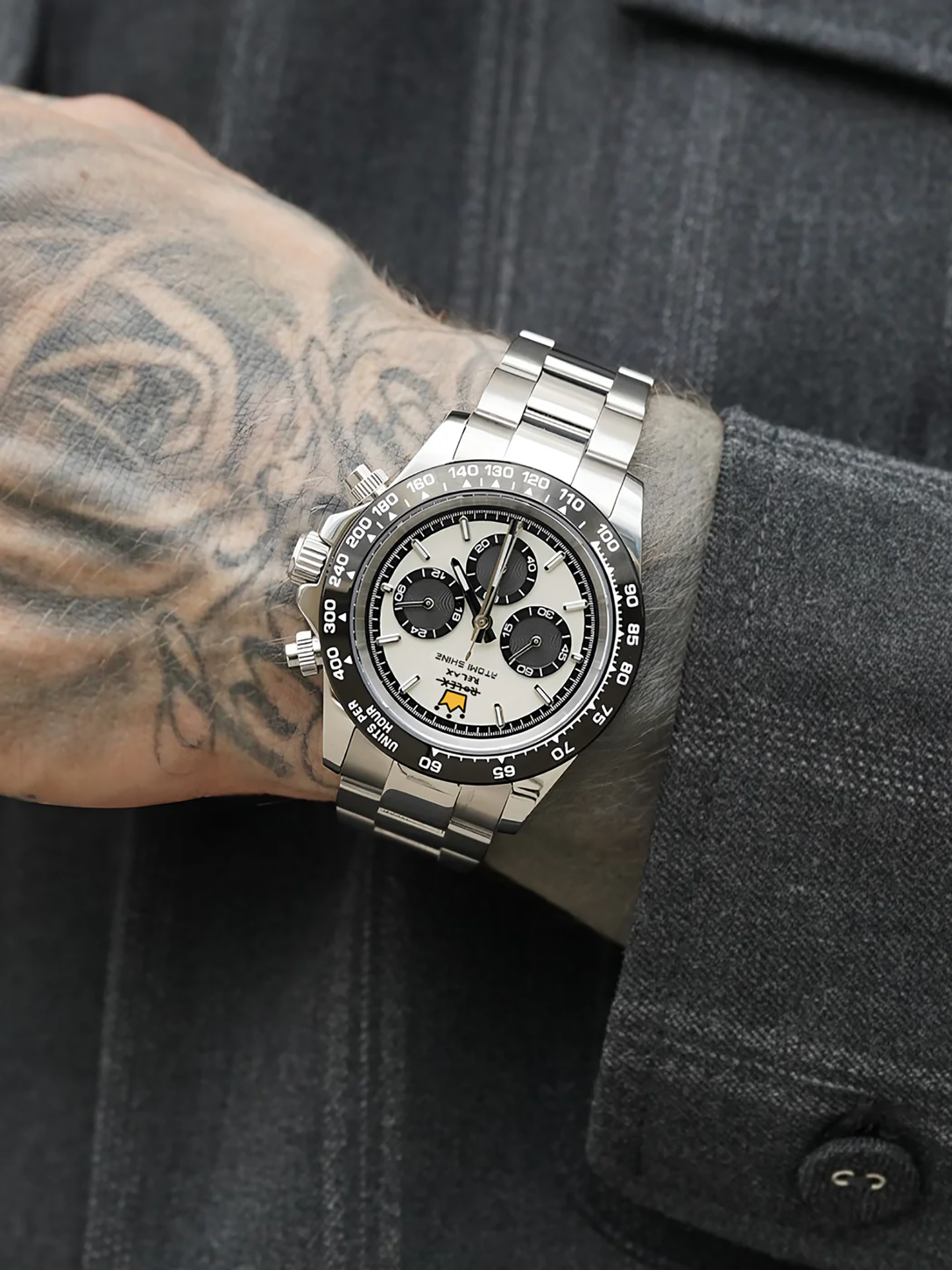
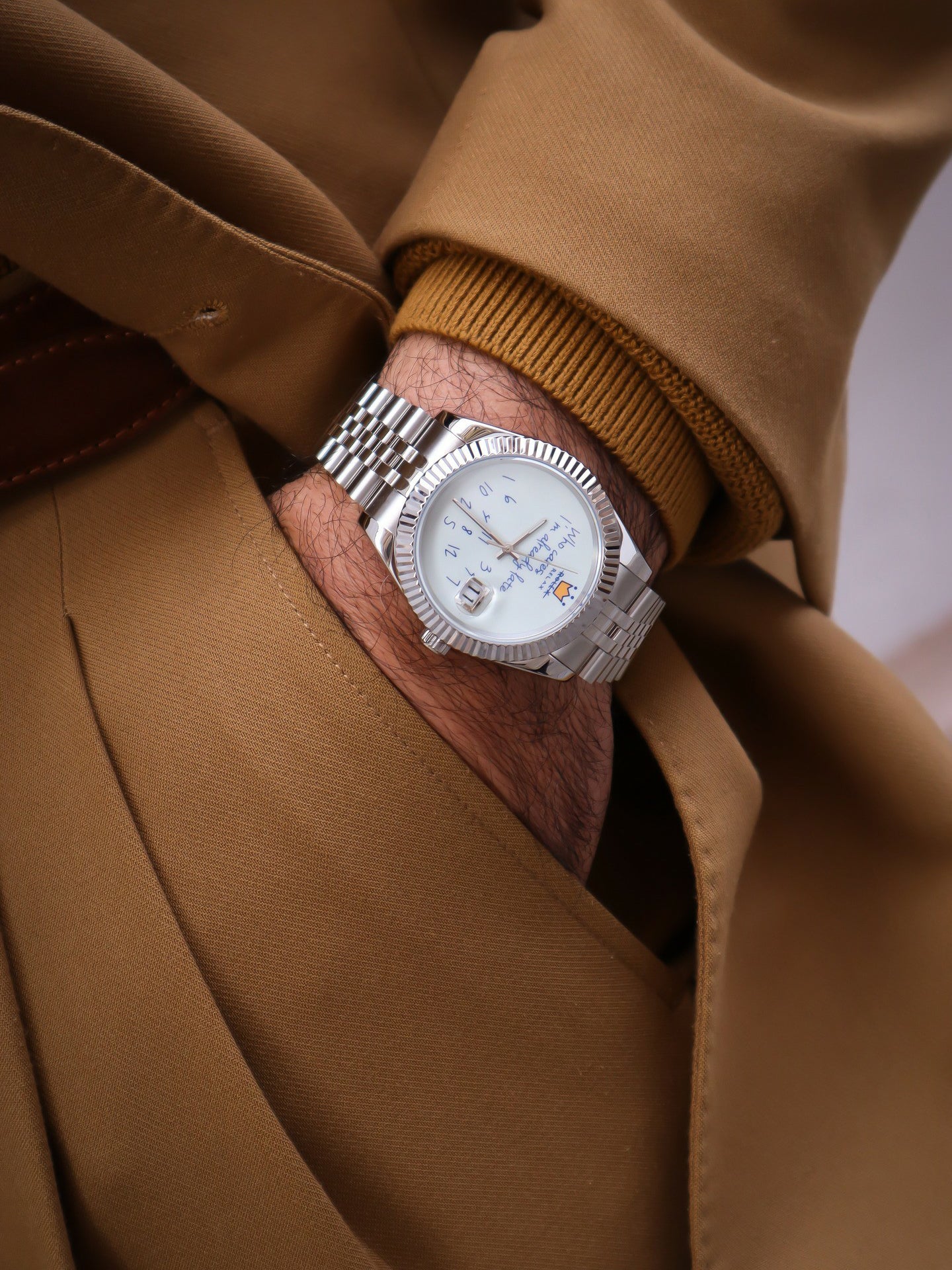
To see how this works in practice, a model like the Eondate Classic 36mm offers a clear example. Powered by a Miyota 2315 quartz movement, it maintains accuracy within about 20 seconds per month and runs on a long-lasting battery, showing how quartz watches combine precision with everyday convenience.
What Is an Automatic Watch and How Does It Work?
An automatic watch is a mechanical timepiece that uses a mechanical watch movement designed to wind itself through the natural motion of the wearer's wrist. It represents the tradition of classical watchmaking, working without any electronics or batteries.
-
The Rotor: A metal weight that is half-circle shaped and inside the watch spins freely as you move your arm.
-
The Mainspring: This action winds a coiled mainspring, which stores the energy from the motion.
-
The Escapement: As the spring slowly unwinds, it sends energy through a series of gears and an escapement, which keeps the watch's "heartbeat" steady.
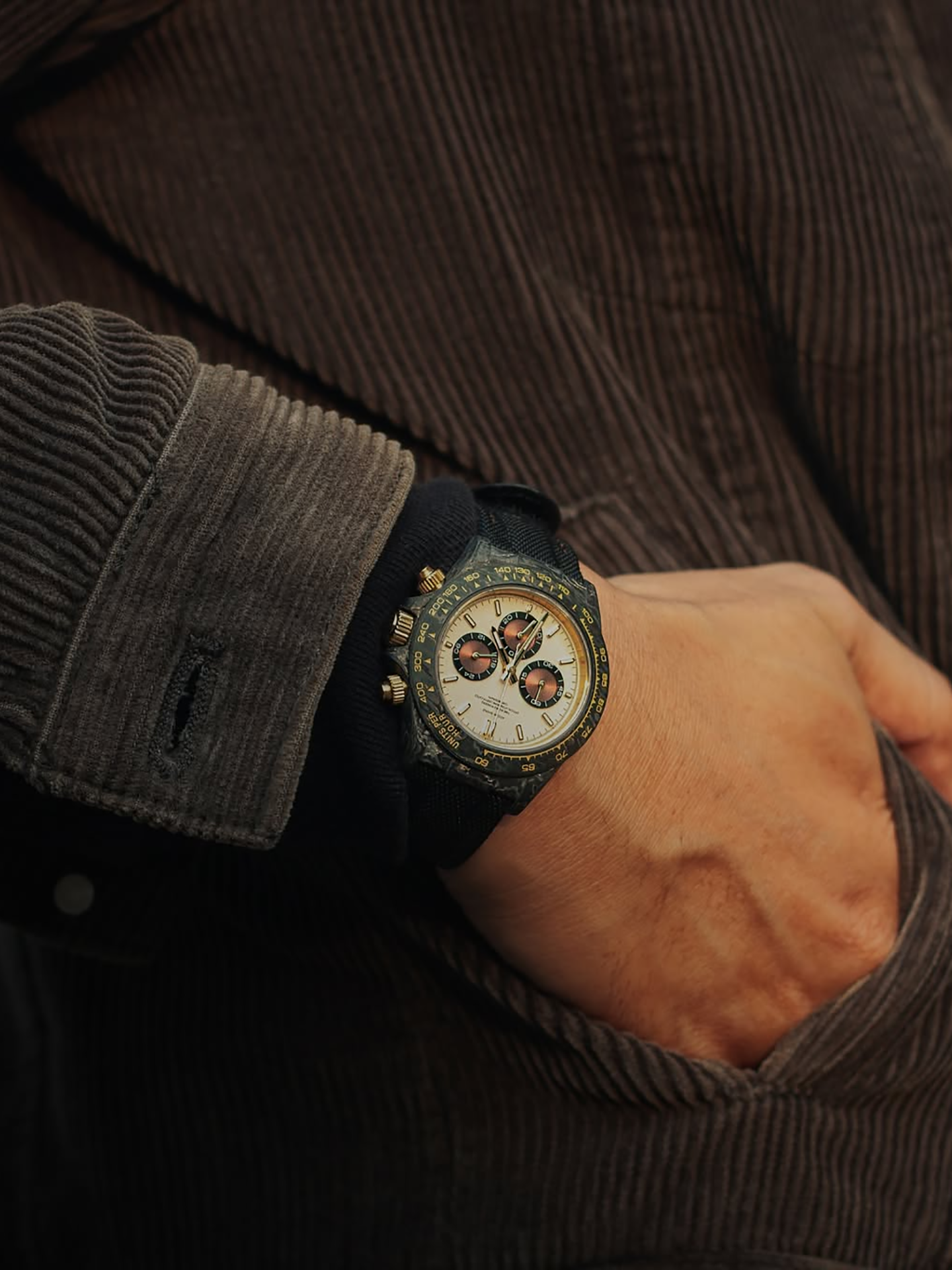
A watch like the Eondate Maxi Classic 40mm illustrates this well. Powered by a Caliber 8215 automatic movement with a 42-hour power reserve, it keeps running as long as it's worn, while its visible mechanical "heartbeat" and durable materials highlight the appeal of traditional craftsmanship.

Quartz vs. Automatic: Comparing the Key Differences
The main difference between watch movement quartz vs automatic is the internal "engine" that powers the watch. Understanding these distinctions will help you choose the movement that fits your way of life.
-
Exactness and Accuracy
The quartz movement watch is the clear choice if you prioritize accuracy. These watches typically lose or gain only a few seconds a month because the vibrations of a quartz crystal are so reliable.
An automatic watch, by contrast, is a mechanical timepiece powered by a mechanical watch movement. Its accuracy can vary by several seconds per day, as it is influenced by factors such as temperature, position, and daily wear.
-
Maintenance and Longevity
You only need to change the battery to a quartz watch every two to three years. On the other hand, a mechanical watch movement is made to last for generations as an heirloom. But it needs to be cleaned and oiled by a professional every five to seven years.
-
Craftsmanship and Cost
People love automatic watches because they are complicated and require a lot of skill to put together by hand. This kind of work normally costs more. Most of the time, quartz watches are generally more affordable and straightforward to use. This makes them great for buyers who prioritize function and value.
| Feature | Quartz Movement Watch | Automatic Mechanical Watch |
| Pros | High accuracy, lower initial cost, low maintenance | No battery needed, smooth sweep hand, high heirloom value |
| Cons | Periodic battery changes, lower resale value | Less precise, higher service costs, stops if not worn |
Which One Should You Pick? Key Factors to Consider
When deciding between a quartz vs automatic watch, consider how you plan to use it and what matters most to you. Here are the main things to think about:
Lifestyle and Ease of Use
The quartz movement watch is ideal if you want a reliable, low-maintenance timepiece. It stays accurate even if you leave it in a drawer for a week, which is great for people who switch watches often. An automatic watch, on the other hand, runs on your movement. If you don't wear it often, it will stop and need to be reset.
Visual Rhythm and Aesthetics
The second hand tells the difference at a glance. Quartz hands move in distinct "ticks" every second, while the mechanical watch movement is smooth and graceful. Many enthusiasts prefer the sweep of an automatic watch because of its refined appearance, which shows how time is always moving.
Long-Term Value and Heritage
Think about whether you want a tool that will last or a family treasure. Quartz is quite strong and lasts for a few decades, but its electronic parts will ultimately break down and be hard to fix. An automatic watch is made to be serviced for a long time, so it can be passed down through the family as a significant piece of history.
Budget and Investment
Quartz gives you reliable accuracy at a price that is easier to afford. But on the secondary market, automatic watches tend to hold their value better. If you see your watch as a long-term investment or a collector's item, the fact that an automatic movement is more complicated mechanically often makes the higher initial cost and regular maintenance worth it.
Timing Trends: Why Collectors Nowadays Mix Movements
In 2026, the traditional divide between quartz vs automatic watch is starting to blur as more and more people assemble "hybrid" collections. Modern collectors don't just adhere to one type of movement; they choose their watches based on occasion and personal style.
For example, the return of slim, minimalist case sizes between 36mm and 39mm has made the quartz movement watch a popular choice for professional settings since its slimmer profile fits well beneath a dress shirt cuff. On the other hand, the rise of "skeleton" displays, which show the internal gears, has sparked a revived interest in mechanical watch movement. These pieces serve as wearable mechanical art, sparking conversations and drawing appreciation for the craftsmanship within. Owning both types lets you enjoy the reliability of quartz during demanding work weeks and the character of an automatic on weekends.
Final Thoughts
You should choose a quartz vs automatic watch based on whether you value technological excellence or mechanical artistry. Quartz movements are ideal for those who prioritize accuracy, low maintenance, and versatility across everyday situations. An automatic mechanical watch movement, on the other hand, offers a different kind of appeal, connecting you to the traditions of mechanical watchmaking and long-term ownership.
If you are exploring options, brands such as ATOMI SHINE offer both quartz and automatic models, allowing you to choose based on your personal preferences and usage scenarios. Depending on your needs, you may find that each type serves a different role in your daily life.