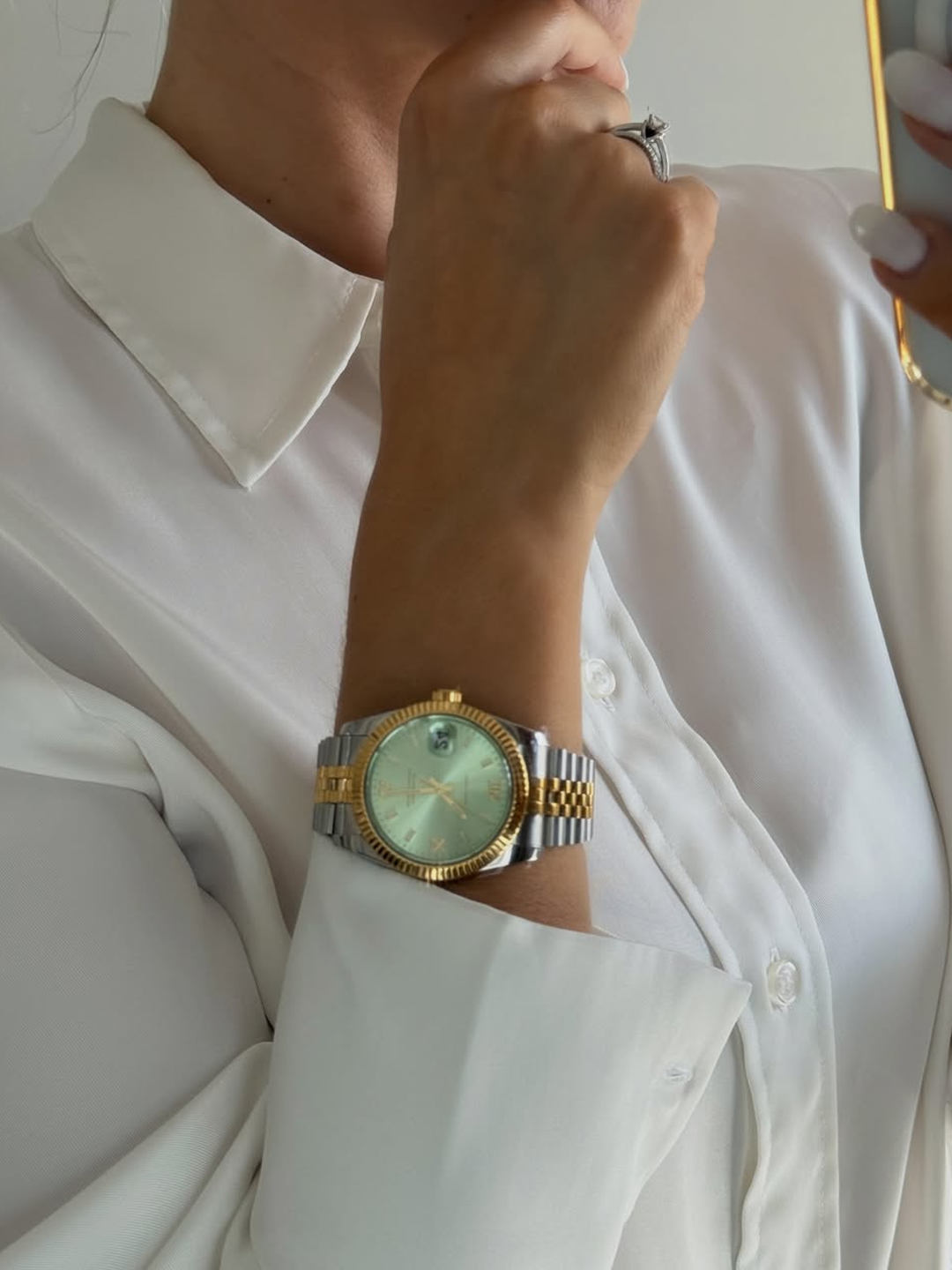
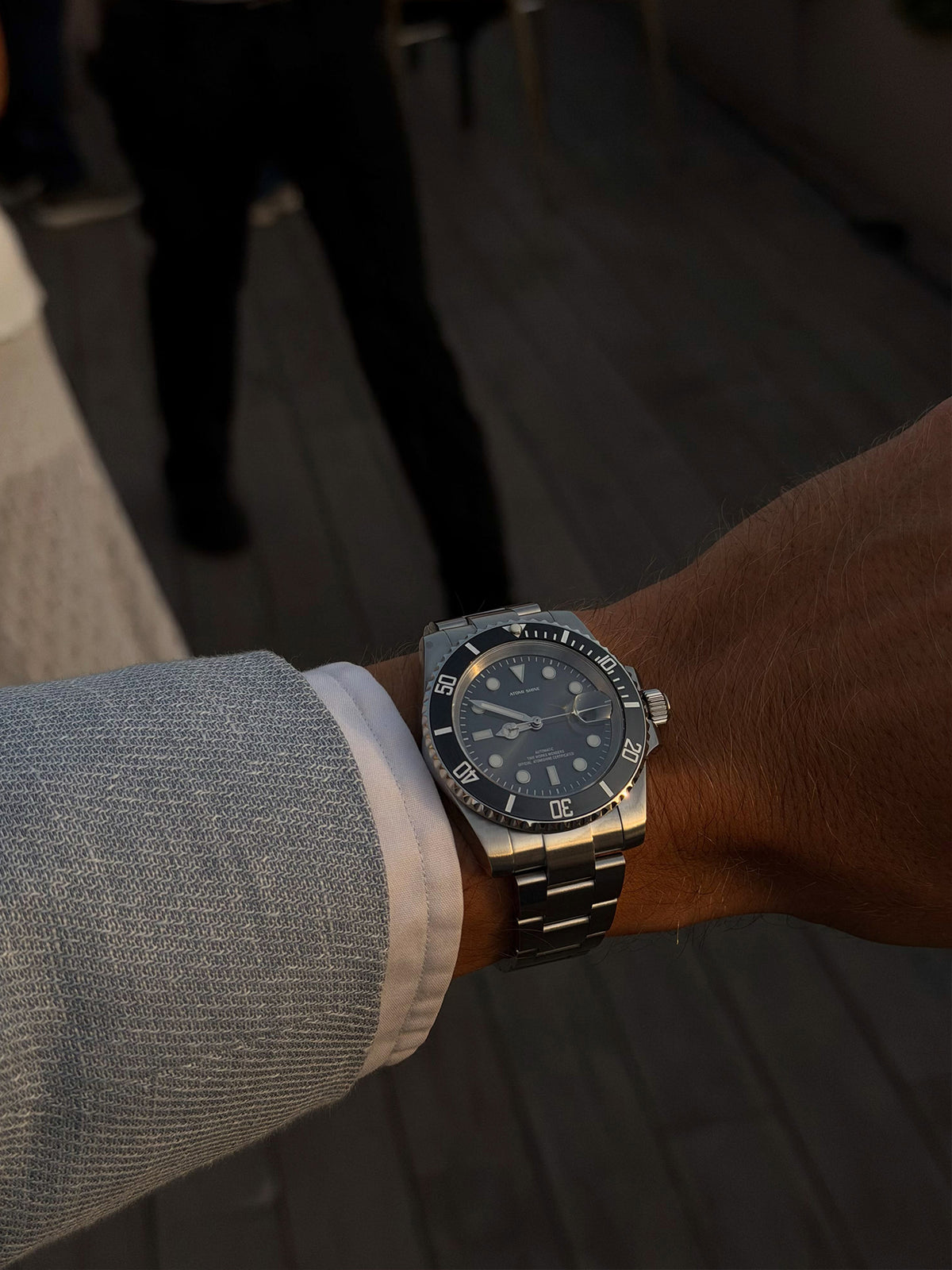



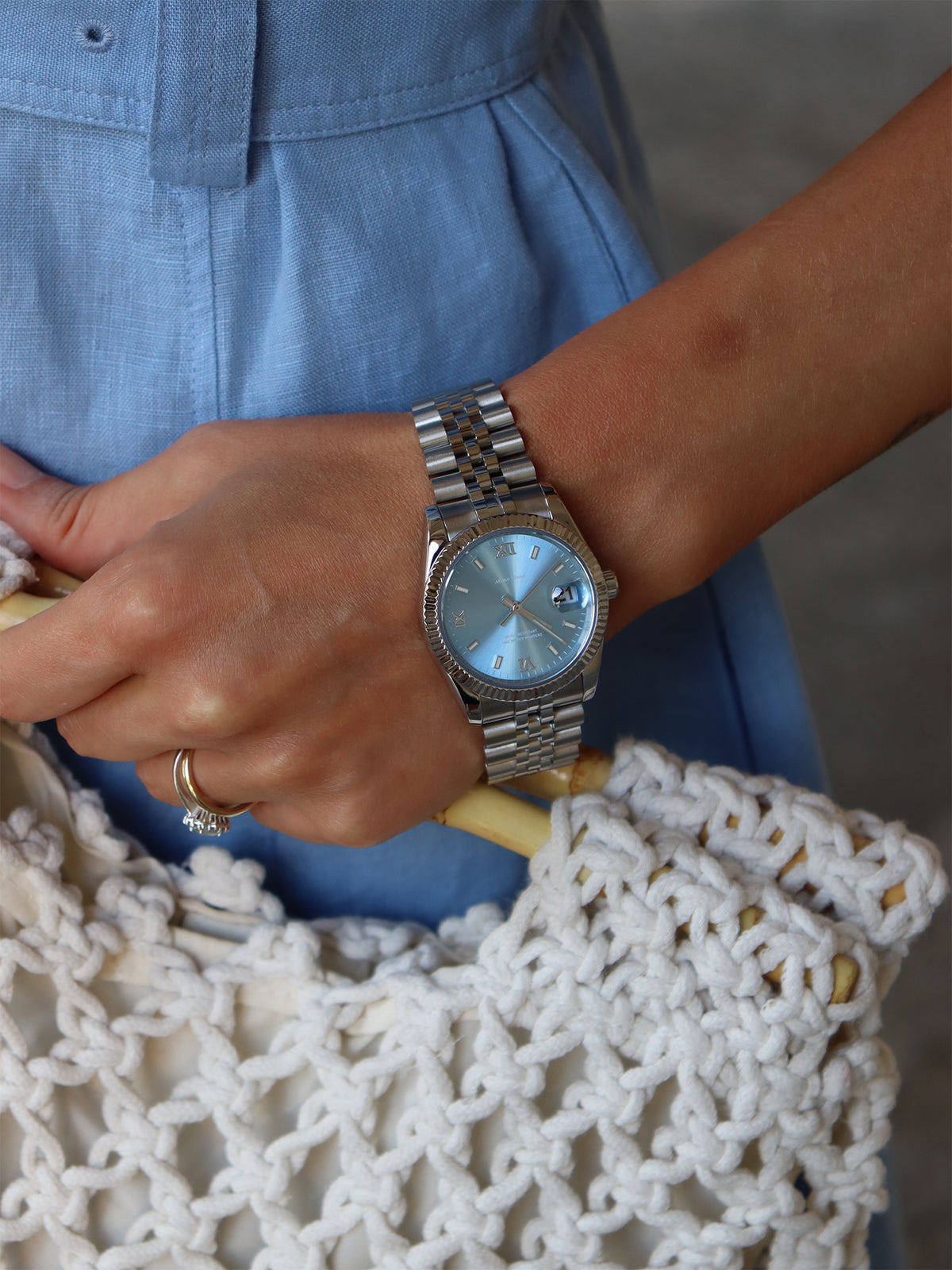
Automatic Mechanical Watches: Modern Daily Wear & Design Trends
Mechanical watches have maintained their appeal for generations, not only because of their ability to measure time but also because of the engineering behind each movement. In an era dominated by digital devices, an automatic mechanical watch represents a different approach to watchmaking, where craftsmanship, precision, and design remain central to the experience.
Today's mechanical watches are no longer limited to traditional formal occasions. Modern designs combine classic movement technology with practical proportions, versatile materials, and contemporary aesthetics, allowing them to become part of everyday wear.
Modern buyers increasingly choose automatic watches not only for craftsmanship, but also for individuality, durability, and the experience of owning a mechanical object.

Understanding the Appeal of Automatic Mechanical Watches
An automatic mechanical watch is powered by the movement of the wearer's wrist rather than a battery. Most automatic movements also include a power reserve, allowing the watch to continue running for a period of time when not worn. Inside the case, a rotor moves with natural wrist motion and transfers energy to the mainspring, which stores and releases power to keep the watch running.
For those interested in how mechanical watches work, the appeal lies in the interplay of many small components. The gear train, escapement, and balance wheel all contribute to regulating the movement, creating a system that relies on mechanical precision rather than electronic control.
This complexity gives mechanical watches a unique character. Each movement reflects decisions in engineering, assembly, and finishing, which is why many enthusiasts appreciate them as examples of traditional craftsmanship.
Why Automatic Mechanical Watches Fit Modern Lifestyles
Although mechanical watches have historical roots, modern designs have evolved to meet contemporary needs. Many current models focus on versatility, offering sizes, materials, and styles that suit daily environments rather than only formal settings.
Built for Long-Term Ownership
One reason high quality mechanical watches continue to attract buyers is their potential for long-term use. Unlike disposable accessories, many mechanical watches are designed to be maintained and serviced over many years.
Proper maintenance helps preserve movement performance over time, while durable case materials and reliable construction contribute to long-term usability. This focus on longevity creates a different ownership experience compared with products designed for short-term replacement.
Designed for Everyday Wear
Modern mechanical watches increasingly prioritize comfort and practicality. Balanced case proportions, improved bracelet designs, and versatile dial layouts allow them to transition between professional settings, casual occasions, and social events.
The appeal of an automatic mechanical watch today often comes from this combination of tradition and adaptability. It preserves the character of mechanical watchmaking while fitting naturally into modern routines.
What Defines High Quality Mechanical Watches
Choosing a mechanical watch requires looking beyond the movement itself. Several design and construction elements influence the overall quality and wearing experience.
Movement Performance and Reliability
The movement remains the foundation of any mechanical watch. Accuracy, power reserve, and durability are important factors when evaluating different models.
While automatic movements may require more care than quartz systems, they offer a mechanical experience that many buyers value. The ability to see how energy is generated and transferred inside the watch creates a direct connection between engineering and everyday use.
Case Materials and Comfort
The case material affects both appearance and practicality. Stainless steel remains a popular choice because of its durability and versatility, while materials such as ceramic and carbon fiber provide different combinations of weight, texture, and modern aesthetics.
Comfort is also influenced by case size, thickness, and bracelet design. A well-proportioned watch should sit naturally on the wrist without feeling excessive, especially when worn throughout the day.
Design Balance and Visual Identity
Modern mechanical watch design has moved beyond traditional expectations. While classic elements such as detailed dials and refined finishing remain popular, many contemporary models explore cleaner layouts and more distinctive visual approaches.
A strong design balances function and appearance. The dial should remain readable, the case should feel comfortable, and the overall structure should create a consistent visual identity.
Modern Design Trends in Mechanical Watches
Mechanical watch design continues to evolve as manufacturers respond to changing preferences. One noticeable trend is the move toward greater versatility.
Smaller and medium-sized cases have gained popularity because they offer wider appeal across different wrist sizes. Integrated bracelets, minimalist dials, and refined textures have also become common features in modern collections. At the same time, modern mechanical watches are increasingly exploring unconventional dial designs, creative layouts, and stronger visual identities instead of following only traditional luxury aesthetics.
Another trend is the use of alternative materials. Ceramic, titanium, and advanced alloys allow designers to experiment with different finishes while improving durability and comfort.
At the same time, traditional craftsmanship remains important. Many modern watches combine contemporary styling with mechanical movements, creating pieces that connect historical watchmaking techniques with current design expectations.
How to Choose an Automatic Mechanical Watch for Daily Use
Selecting the right mechanical watch depends on personal needs and wearing habits. A watch intended for everyday use should balance reliability, comfort, and design.
Consider how often the watch will be worn, the environments it will encounter, and the level of maintenance required. A durable case, practical water resistance, and a comfortable fit are often more important for daily use than purely decorative features.
For buyers exploring the category, an automatic mechanical watch offers a combination of traditional engineering and modern versatility. Understanding movement construction, material choices, and design principles makes it easier to identify a timepiece that matches both lifestyle and personal preferences.
The Continued Role of Mechanical Watches in Modern Design
Mechanical watches remain relevant because they offer something beyond simple timekeeping. Their value comes from the combination of engineering, craftsmanship, and design expression.
As watchmaking continues to adapt, automatic movements continue to find a place in modern lifestyles. They represent a balance between traditional techniques and contemporary expectations, proving that mechanical craftsmanship can remain meaningful even in a highly digital world.