

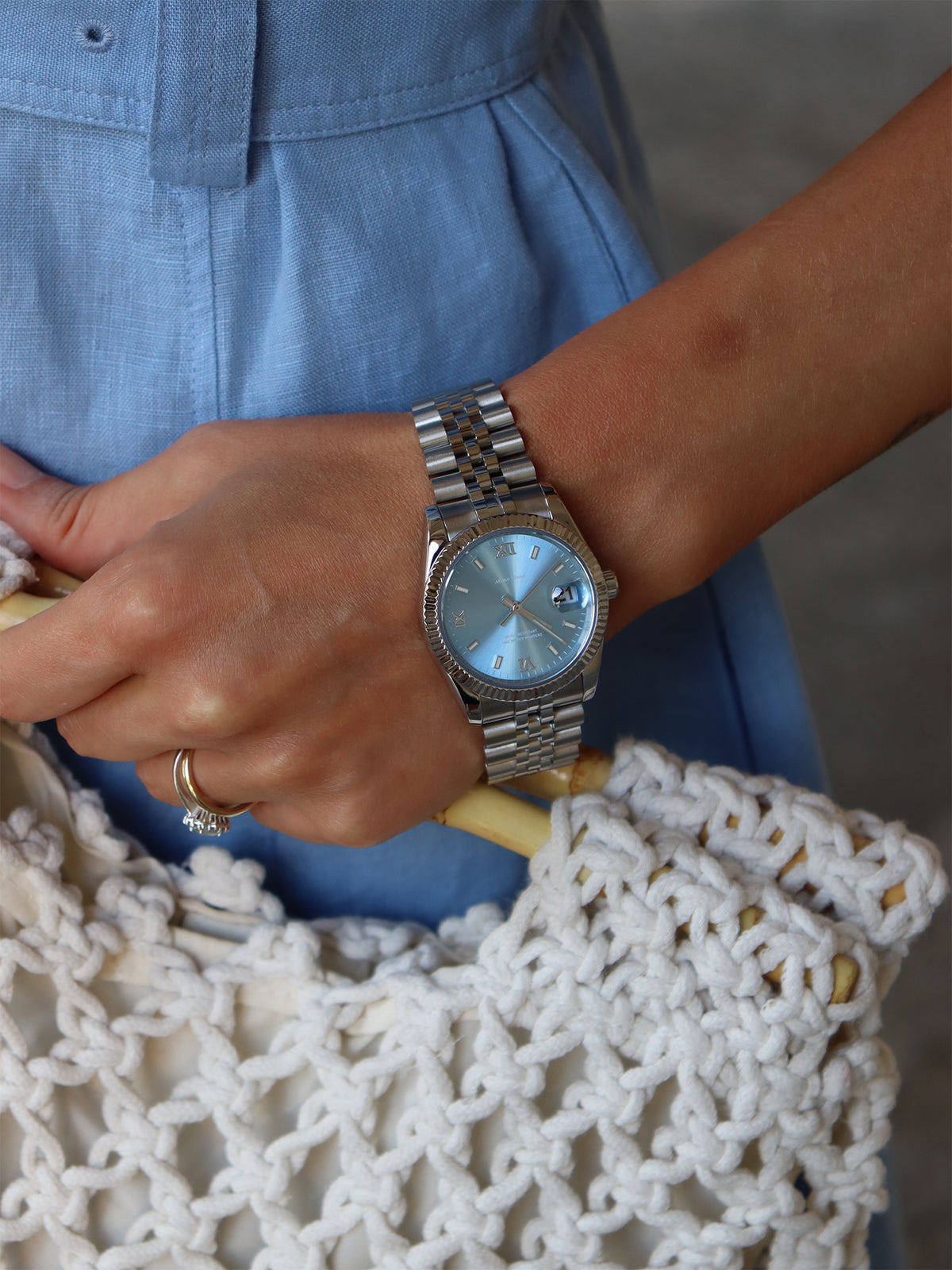
Quartz vs Automatic Watch: Which Movement Should You Choose?
Quartz and automatic watches use different movement technologies, offering different advantages for watch owners. Quartz watches focus on accuracy, convenience, and low maintenance, while automatic watches emphasize mechanical craftsmanship, engineering, and the experience of traditional watchmaking. Understanding their differences can help you choose the right watch based on your lifestyle, budget, and preferences.
Quartz vs Automatic Watch: Quick Comparison
|
Feature
|
Quartz Watch
|
Automatic Watch
|
|
Movement Type
|
Battery-powered quartz movement
|
Self-winding mechanical movement
|
|
Power Source
|
Battery
|
Wrist movement
|
|
Accuracy
|
Highly accurate
|
May require occasional adjustment
|
|
Maintenance
|
Low maintenance
|
Requires regular servicing
|
|
Price
|
Generally more affordable
|
Usually higher priced
|
|
Best For
|
Everyday reliability and convenience
|
Mechanical craftsmanship and traditional watch experience
|

How Does a Quartz Watch Work?
A quartz watch uses a battery-powered electronic movement. When electricity passes through the quartz crystal, it creates consistent vibrations that regulate the movement and control the hands.
Because the movement relies on electronic components rather than a complex mechanical system, quartz watches can maintain stable performance with minimal user involvement. This makes quartz watches especially suitable for users who want a reliable everyday watch that can be worn immediately without adjustment. This design has made quartz movements one of the most widely used watch technologies today.
How Does an Automatic Watch Work?
An automatic watch uses a mechanical movement powered by the motion of the wearer’s wrist. A rotating rotor transfers energy to the mainspring, which stores power and releases it to keep the watch running. Most automatic watches also include a power reserve, allowing the movement to continue running for a period of time after being removed from the wrist.
Unlike quartz watches, automatic watches do not use batteries. Their appeal comes from the traditional mechanical construction, where multiple components work together to measure time.
Quartz vs Automatic Watch: Main Differences
Accuracy and Timekeeping Performance
The biggest difference between quartz and automatic watches is how they regulate time. Quartz movements use electronic regulation, allowing them to maintain consistent accuracy over long periods.
Automatic movements rely on mechanical parts, and their timekeeping performance can vary depending on movement quality, wearing conditions, and how the watch is stored. Their performance depends on movement quality, regulation, wearing habits, and environmental conditions.
For users who need precise timekeeping with minimal adjustment, quartz is usually the more practical option. Those who appreciate mechanical movements may accept small variations in exchange for the traditional experience.
Maintenance Requirements
Quartz and automatic watches require different levels of care throughout ownership.
Quartz watches are generally easier to maintain because they have fewer moving mechanical components. Most owners only need to replace the battery periodically and ensure the watch remains in good condition.
Automatic watches require more attention because their mechanical movements contain many precision parts. This additional complexity can also increase long-term servicing costs compared with quartz watches. Regular servicing helps maintain smooth operation and protect the movement over time.
Price and Long-Term Value
The price difference between quartz and automatic watches comes from their movement construction.
Quartz watches are usually more affordable because their production relies on electronic components and simpler assembly. This makes them suitable for buyers looking for reliable performance at an accessible price.
Automatic watches often cost more because of the complexity involved in designing, assembling, and adjusting mechanical movements. For many buyers, the additional value comes from craftsmanship, movement design, and the traditional watchmaking experience. The higher price is usually related to movement construction, assembly complexity, finishing, and mechanical craftsmanship rather than simply better timekeeping accuracy.
Wearing Experience and Design Appeal
Quartz and automatic watches offer different ownership experiences.
Quartz watches are designed around convenience. They are easy to use, reliable, and suitable for people who want a watch that requires little attention.
Automatic watches provide a more traditional watch experience. Many owners appreciate the mechanical movement, the craftsmanship, and the connection to traditional watchmaking.
The choice often comes down to whether you value convenience or the emotional connection of mechanical engineering.![]()

Quartz or Automatic Watch: Which One Is Right for You?
The best choice depends on your priorities and how you expect to use your watch.
Choose Quartz If You Prioritize Convenience and Accuracy
Quartz watches are ideal for people who want a reliable watch that requires little maintenance. They are suitable for:
-
Daily work and business wear
-
Frequent travel
-
People who own multiple watches and do not wear the same watch every day
-
Users who prefer accurate timekeeping without regular adjustment
For these users, quartz provides a practical balance between performance, affordability, and ease of use.
Choose Automatic If You Appreciate Mechanical Craftsmanship
Automatic watches are better suited for buyers who value the experience behind the watch rather than only timekeeping performance.
They are suitable for:
-
Watch enthusiasts interested in mechanical movements
-
Buyers who appreciate traditional craftsmanship
-
People looking for a watch with a more classic character
-
Users who enjoy the experience of wearing and maintaining a mechanical timepiece
An automatic watch is often chosen because of the connection between the wearer and the mechanical movement. Automatic watches are often preferred by buyers who enjoy the ownership experience as much as the function itself.
Consider Your Budget Before Choosing
Budget is another important factor when comparing quartz and automatic watches. Quartz watches usually provide excellent functionality at a lower price point, making them a practical choice for first-time buyers or everyday watches.
Automatic watches generally require a higher investment because of their mechanical complexity. Buyers should consider whether the craftsmanship and ownership experience justify the additional cost.
Consider How Often You Wear Your Watch
Your wearing habits can also influence the right choice. If you need a watch that can be picked up anytime and immediately provide accurate time, quartz may be more convenient.
If you wear the same watch regularly, an automatic watch can remain powered through daily movement. However, if it sits unused for extended periods, it may stop and require resetting before use.
Conclusion
Choosing between a quartz and automatic watch depends on what you value most. Quartz watches are ideal for buyers who prioritize accuracy and convenience, while automatic watches appeal to those who appreciate mechanical craftsmanship and traditional watchmaking. Understanding your wearing habits and expectations is the key to finding the right movement.
FAQ
Can an automatic watch stop running if you do not wear it?
Yes. Since automatic watches use stored energy generated through wrist movement, they can stop after being left unworn for a period of time. Before wearing it again, the watch may need to be wound or reset depending on the movement.
Do quartz watches need regular servicing?
Quartz watches generally require less maintenance than mechanical watches. However, they may still need inspection or repair if issues occur with the movement, battery performance, or other components.
Can you wear an automatic watch every day?
Yes. Automatic watches can be worn daily, especially when they receive regular wrist movement. However, users should consider their lifestyle and wearing habits, as activities involving strong impacts or extreme conditions may require additional care.