


The Everyday Watch Guide: Choosing the Right Watch for Your Lifestyle
Most people don't buy a watch for a single event. They want something that works during the workweek, looks appropriate on weekends, and feels comfortable enough to wear every day without thinking about it.
The challenge is that many watches look impressive in product photos but don't necessarily perform well as daily companions. A great everyday watch needs to balance comfort, durability, versatility, and practicality.
So how do you choose a watch you'll genuinely enjoy wearing every day? The answer often comes down to a few key decisions.
At ATOMISHINE, we believe an everyday watch should balance reliable construction with personal expression. From stainless steel classics to lightweight carbon fiber designs and modern ceramic watches, different materials offer different advantages depending on how and where the watch is worn.
What Makes a Watch Suitable for Everyday Wear?
When people talk about an "everyday watch," they're usually referring to a watch that can handle a variety of situations without feeling out of place.
It should be comfortable enough for long hours on the wrist, durable enough to withstand daily use, and versatile enough to pair with different outfits and occasions.
This usually means finding the right balance between case size, weight, movement type, water resistance, and design versatility.
Unlike highly specialized watches designed for diving, racing, or formal events, an everyday watch is expected to do a little bit of everything.
Before comparing materials, movements, or styles, it's worth understanding the features that matter most.
The Features That Matter Most in a Daily-Wear Watch
Comfortable Weight and Size
A watch might look perfect online, but comfort often determines whether it becomes part of your daily routine.
Many buyers focus on case diameter when comparing watches, yet factors such as weight, thickness, and lug-to-lug distance often have a greater impact on long-term wearability. A slightly lighter watch or a slimmer case can feel noticeably different after a full day at work or during a long trip.
For many buyers, case sizes between 36mm and 42mm offer a practical range for everyday wear, depending on wrist size and personal style preference.
A Design That Works in Different Situations
Think about how many different situations your watch needs to handle in a typical week.
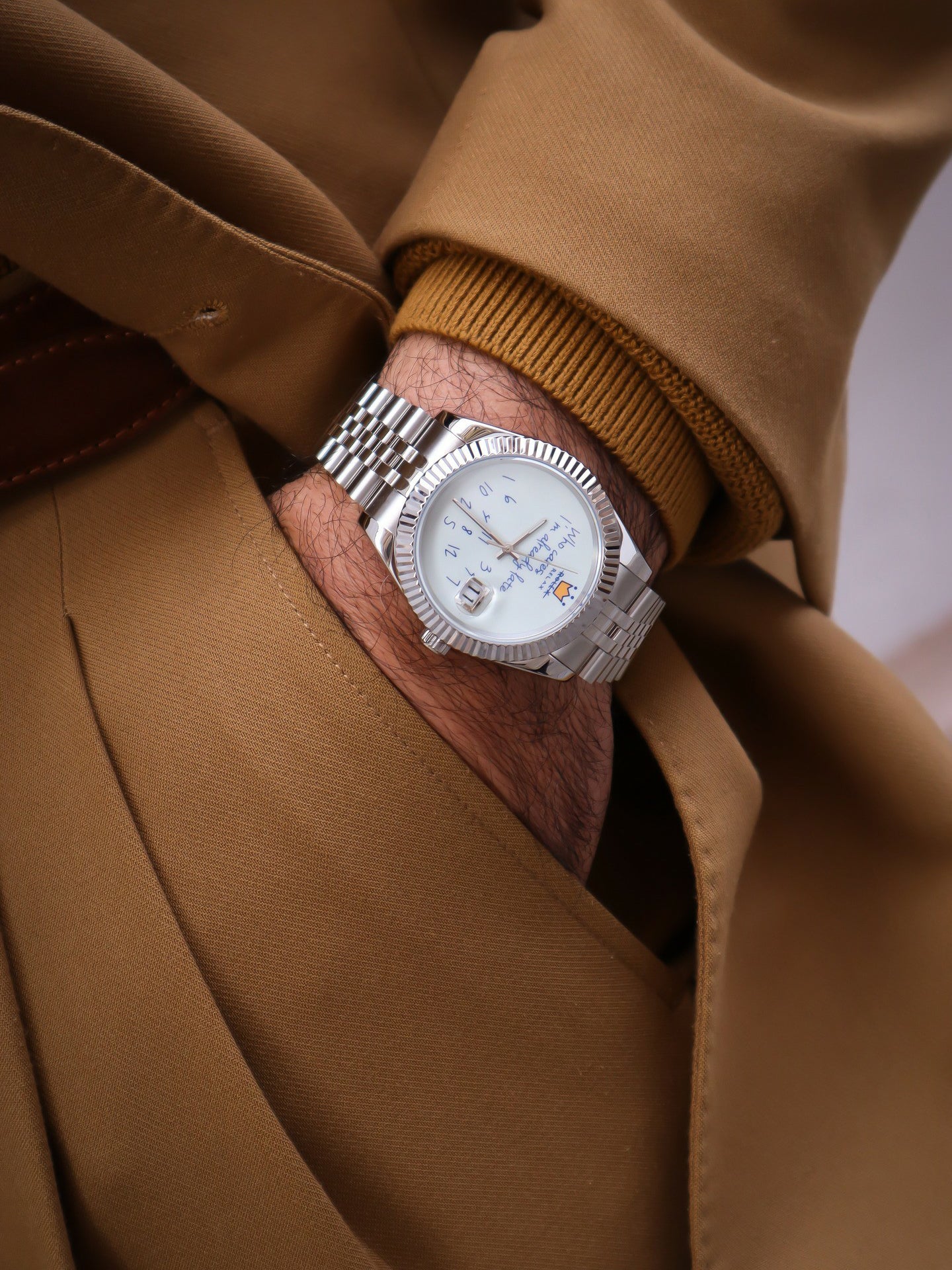
It might be worn with a polo shirt at work, a hoodie on the weekend, and a jacket for dinner. Watches with clean dial layouts, balanced proportions, and neutral color schemes tend to adapt more easily to changing environments than highly specialized designs.
For most people, versatility is what separates an everyday watch from a watch that only gets worn occasionally.
Durability for Real Life
Daily wear exposes a watch to far more contact than most owners realize. Desk surfaces, door handles, luggage, gym bags, and changing weather conditions all contribute to gradual wear over time.
Rather than focusing on extreme toughness claims, it is often more useful to look at material quality, finishing, and overall construction. A well-built watch should handle years of regular use without requiring constant attention.
Features such as sapphire crystal, quality case materials, and reliable water resistance can significantly improve long-term daily usability.
Practical Water Resistance
Many watch specifications emphasize water resistance, but how much do you actually need?
For most daily activities, including hand washing, unexpected rain, and occasional recreational use. For everyday watches, basic water resistance such as 3ATM is generally suitable for daily moisture exposure like hand washing and light rain, while higher ratings are more appropriate for swimming or water-focused activities. Unless your routine regularly involves swimming or water sports, extremely high ratings often provide little practical advantage.
Choosing the Right Watch Material
Material selection has a major influence on how a watch looks, feels, and performs over years of wear.
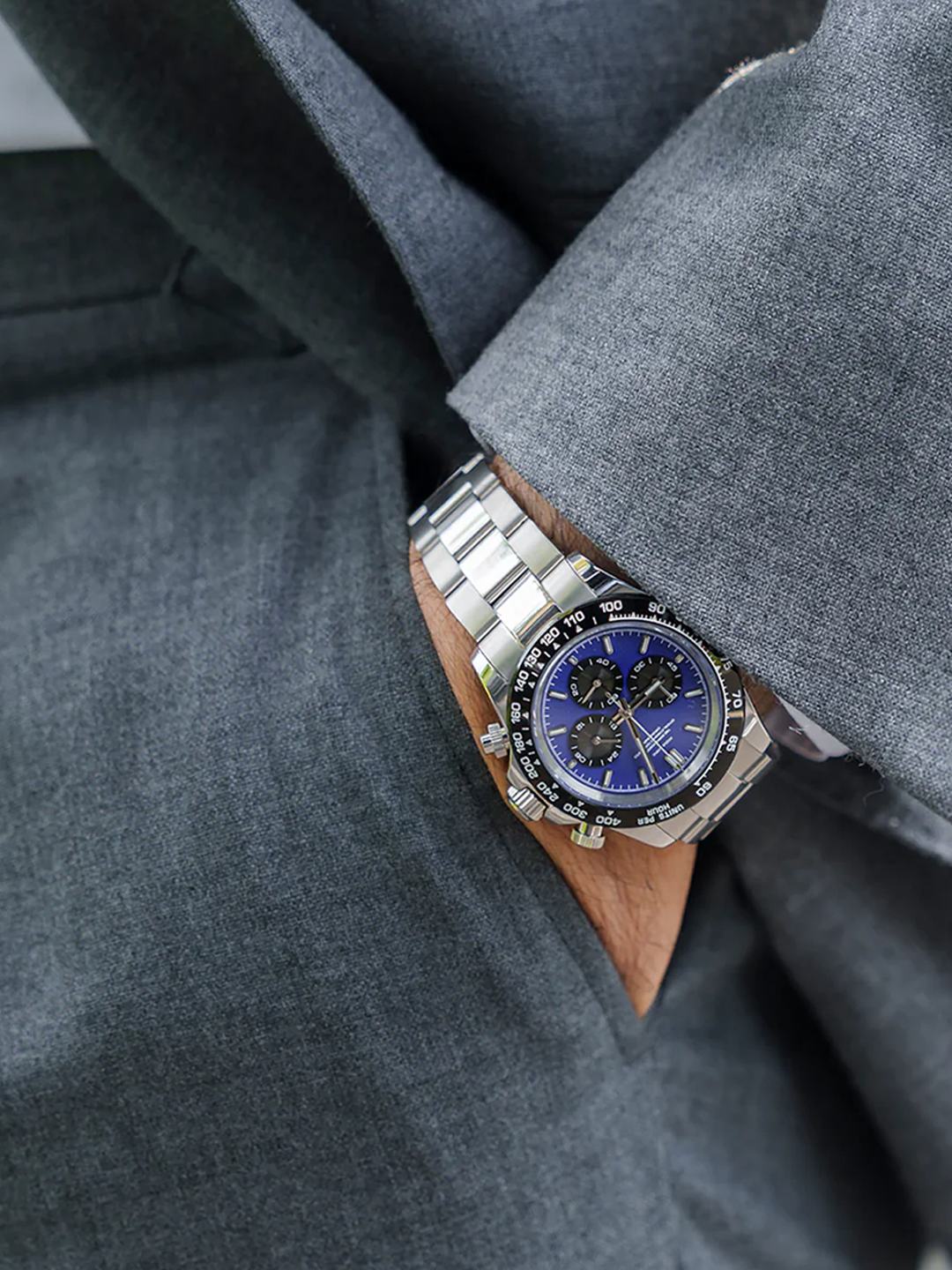
Stainless Steel: The Safe Choice for Most People
Stainless steel is usually the default choice for everyday watches, and that is mainly because it rarely causes problems in real use.
It handles daily environments without requiring attention, and it doesn’t feel out of place in either casual or professional settings. Over time, it develops signs of wear, but these tend to blend into its overall character rather than detract from it.
316 stainless steel is especially common in everyday watches because it combines corrosion resistance, durability, and a refined appearance.
This is why stainless steel often becomes the “no-regret” option for everyday wear.
Ceramic: Ideal for Keeping a Fresh Appearance
Ceramic is less about toughness in the traditional sense and more about visual consistency.
It doesn’t pick up small scratches as easily as metal, which helps it maintain a clean surface even after long-term use. For some people, this difference is more important than impact resistance. However, ceramic should still be protected from strong impacts because scratch resistance does not mean impact resistance.
That’s also why ceramic quietly appeals to people who don’t want their watch to look noticeably older over time.
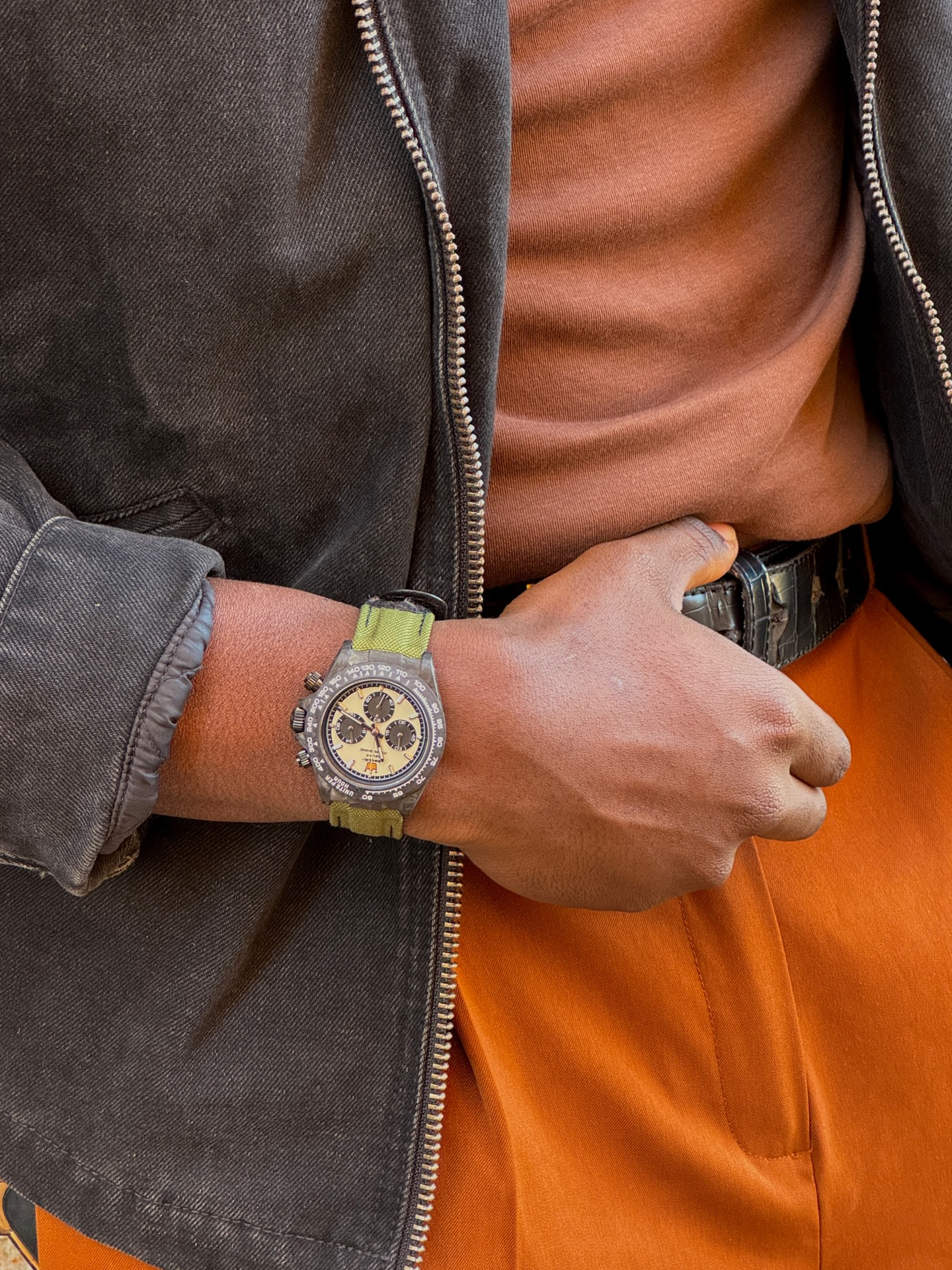
Carbon Fiber: Prioritizing Lightweight Comfort
Carbon fiber is one of those materials you don’t really think about until you wear it for a full day. The difference isn’t visual—it shows up in how light it feels on the wrist.
Once worn for a full day, especially during travel or long working hours, the reduced weight becomes the main point of distinction. Some users only notice this after switching back to a heavier watch.
That shift in perception is often what makes carbon fiber stand out in daily wear.
Which Type of Everyday Watch Fits Your Lifestyle?
There is no single "best" everyday watch because different lifestyles create different requirements.
For Office Professionals
If most of your day is spent in meetings, at a desk, or in business-casual environments, versatility should be your priority.
Simple dial designs and understated case shapes tend to transition more naturally between work and social settings.
Stainless steel watches remain a reliable choice for office wear because they balance durability with a clean, versatile look that works across different dress codes.

For Frequent Travelers
Frequent travelers often prioritize comfort above everything else. When a watch is worn through airports, flights, train rides, and long days on the move, every gram becomes more noticeable.
Many travelers prefer carbon fiber watches because they offer durability while reducing wrist fatigue during extended wear.

For Active Lifestyles
People with active routines often move between different environments throughout the day, which places more demand on both comfort and durability.
Stainless steel can still be a reliable option due to its strength and everyday versatility, especially for general daily activity and mixed-use scenarios.
However, when comfort over long periods becomes a priority, carbon fiber watches are often preferred because of their significantly lighter weight.
For Minimalist Watch Enthusiasts
Some people prefer keeping a single watch for daily wear instead of rotating between different styles.
In these cases, simplicity and long-term visual consistency become more important than technical features.
For those who prefer a clean and low-maintenance look over time, ceramic watches are often considered a suitable option because they help maintain a consistent appearance even after long-term wear.

Quartz or Automatic: Which Is Better for Everyday Wear?
One of the most common decisions buyers face is choosing between quartz and automatic movements.
Quartz watches are valued for their accuracy, convenience, and minimal maintenance requirements. They are often the preferred choice for people who want a reliable watch that is always ready to wear.
Automatic watches offer a different ownership experience. Powered by the movement of the wrist, they appeal to those who appreciate traditional watchmaking and mechanical engineering.
For everyday wear, neither option is universally better. The right choice depends on whether you prioritize convenience or the experience of owning a mechanical timepiece.
Common Mistakes When Buying an Everyday Watch
Choosing a Watch That's Too Heavy
Many buyers focus on appearance without considering how the watch will feel after eight or ten hours of wear.
Comfort should never be an afterthought.
Buying Based on Trends Alone
Design trends change quickly.
A watch chosen purely because it is fashionable today may feel outdated within a few years.
Timeless designs generally provide better long-term satisfaction.
Paying for Features You'll Never Use
Complicated functions and extreme specifications can be appealing, but they don't always improve daily wear.
When choosing an everyday watch, it is often better to focus on the features that genuinely fit your lifestyle.
Final Thoughts
The best everyday watch is not necessarily the most expensive or technically advanced. More often, it is the watch that feels comfortable on your wrist, fits naturally into your routine, and remains versatile enough to handle different situations throughout the week.
When evaluating options, focus on the factors that have the greatest impact on daily wear: comfort, durability, material choice, movement preference, and overall versatility.
A watch that performs well in everyday life is often the one that stays in your collection the longest.
Whether you prefer the durability of stainless steel, the lightweight comfort of carbon fiber, or the modern appearance of ceramic, the right everyday watch should match both your lifestyle and personal identity.