
How to Choose a Men's Watch for Office Wear and Business Casual Style
Büro-Dresscodes sind heute zwar oft lockerer als früher, doch die richtige Uhr spielt im professionellen Auftreten nach wie vor eine wichtige Rolle. Eine gut gewählte Uhr kann alles ergänzen, vom maßgeschneiderten Anzug bis zum Business-Casual-Outfit, und dabei den ganzen Arbeitstag über bequem bleiben.
Die Herausforderung besteht darin, dass viele Männer Uhren tragen, die für ganz andere Situationen entworfen wurden. Übergroße Sportuhren, robuste Outdoor-Modelle oder sehr legere Designs wirken in Meetings, Kundenpräsentationen und Büroumgebungen oft fehl am Platz.
Dieser Ratgeber erklärt, wie man eine Herrenuhr für das Büro auswählt, einschließlich der idealen Größe, Designmerkmale, Materialien und der besten Optionen für unterschiedliche Dresscodes am Arbeitsplatz.
Warum die richtige Uhr bei der Arbeit immer noch wichtig ist
Auch im Zeitalter von Smartphones und digitalen Kalendern gehören Uhren zu den wenigen Accessoires, die von Berufstätigen häufig getragen werden.
Anders als die meisten Accessoires ist eine Uhr den ganzen Tag sichtbar. Kollegen, Kunden und Geschäftspartner nehmen sie bei Händedrücken, Präsentationen, Meetings und Gesprächen wahr. Zwar wird niemand wahrscheinlich Ihre Karriere anhand Ihrer Uhr beurteilen, doch eine sorgfältig gewählte Armbanduhr kann zu einem gepflegten und professionellen Auftreten beitragen.
Die besten Business-Uhren für Männer sind nicht unbedingt die teuersten. Entscheidend sind passende Proportionen, zuverlässige Materialien und wie natürlich sie sich in den beruflichen Alltag einfügen.

So wählen Sie die richtige Uhr für das Büro aus
Wählen Sie eine Größe, die im professionellen Umfeld funktioniert
Bei der Auswahl einer Uhr für den beruflichen Einsatz sollte die Größe zu Ihren ersten Überlegungen gehören.
Für die meisten Männer bietet ein Gehäusedurchmesser zwischen 38mm und 42mm eine ideale Balance zwischen Präsenz und Vielseitigkeit. Uhren in diesem Bereich sind gut ablesbar und wirken zugleich proportional genug für formelle Businesskleidung ebenso wie für moderne Business-Casual-Outfits.
Eine zu große Uhr kann das Handgelenk dominieren und in professionellen Umgebungen ablenkend wirken. Sehr überdimensionierte Gehäuse können in Kombination mit Hemden, Blazern oder maßgeschneiderten Sakkojacken auch weniger elegant erscheinen.
Die Bauhöhe ist ebenso wichtig. Eine der am häufigsten übersehenen Eigenschaften einer guten Büro-Uhr ist, dass sie bequem unter die Hemdmanschette passt. Uhren mit einer Dicke von weniger als 12mm lassen sich in der Regel leichter unter Manschetten schieben und wirken den ganzen Tag über weniger störend.
Wenn Sie regelmäßig Hemden tragen, kann eine Uhr, die bequem unter die Manschette passt, den täglichen Tragekomfort spürbar verbessern.
Halten Sie das Zifferblatt klar und vielseitig
Bei Bürokleidung ist Schlichtheit meist der sicherste Weg.
Klare Zifferblätter lassen sich leichter mit verschiedenen Outfits kombinieren und passen in eine breite Palette von Arbeitsumgebungen. Eine einfache Dreizeiger-Anzeige, dezente Stundenmarkierungen und ein unauffälliges Datumsfenster bieten oft alles, was man für den täglichen beruflichen Einsatz braucht.
Neutrale Zifferblattfarben sind in der Regel die vielseitigsten Optionen, darunter:
-
Schwarz
-
Marineblau
-
Weiß
-
Silber
-
Anthrazitgrau
Diese Farben passen gleichermaßen gut zu formeller Businesskleidung und smart-casualer Bürogarderobe.
Sehr komplexe oder ausdrucksstarke Zifferblätter können ein stärkeres persönliches Statement setzen. Zwar sind sie in konservativen Arbeitsumgebungen weniger klassisch, in kreativen Branchen und modernen Business-Casual-Umgebungen können sie jedoch gut funktionieren.
Passen Sie das Uhrenmaterial an Ihren Arbeitsplatz an
Unterschiedliche Arbeitsumgebungen verlangen oft nach unterschiedlichen Uhrenstilen. Während manche Materialien natürlich zu formellen Business-Settings passen, harmonieren andere besser mit modernen Business-Casual-Arbeitsplätzen. Die Wahl des richtigen Materials hat weniger mit Trends zu tun als damit, eine Uhr zu finden, die zu Ihrem beruflichen Alltag passt.
Edelstahl: Die sichere Wahl für fast jeden Arbeitsplatz
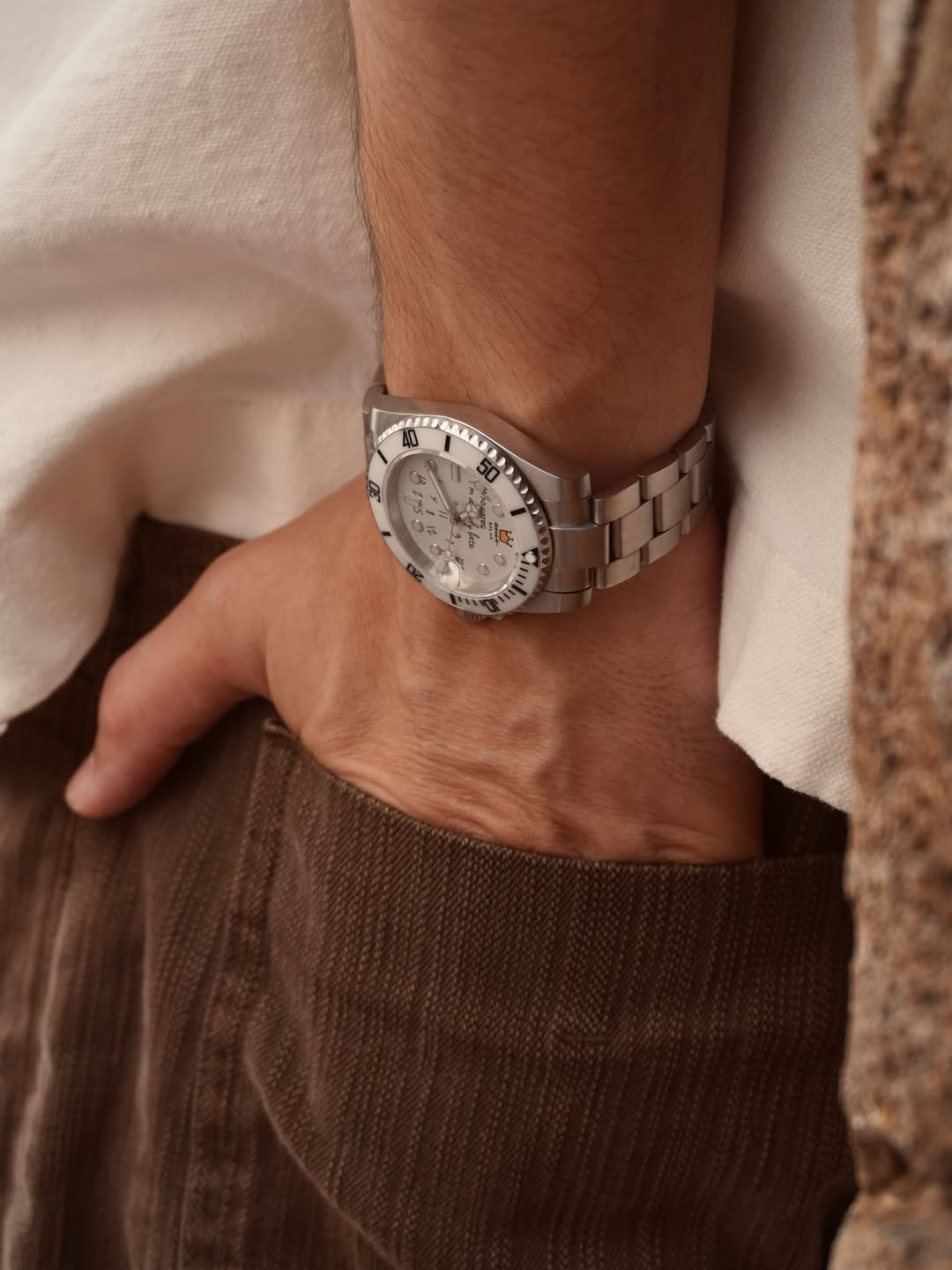
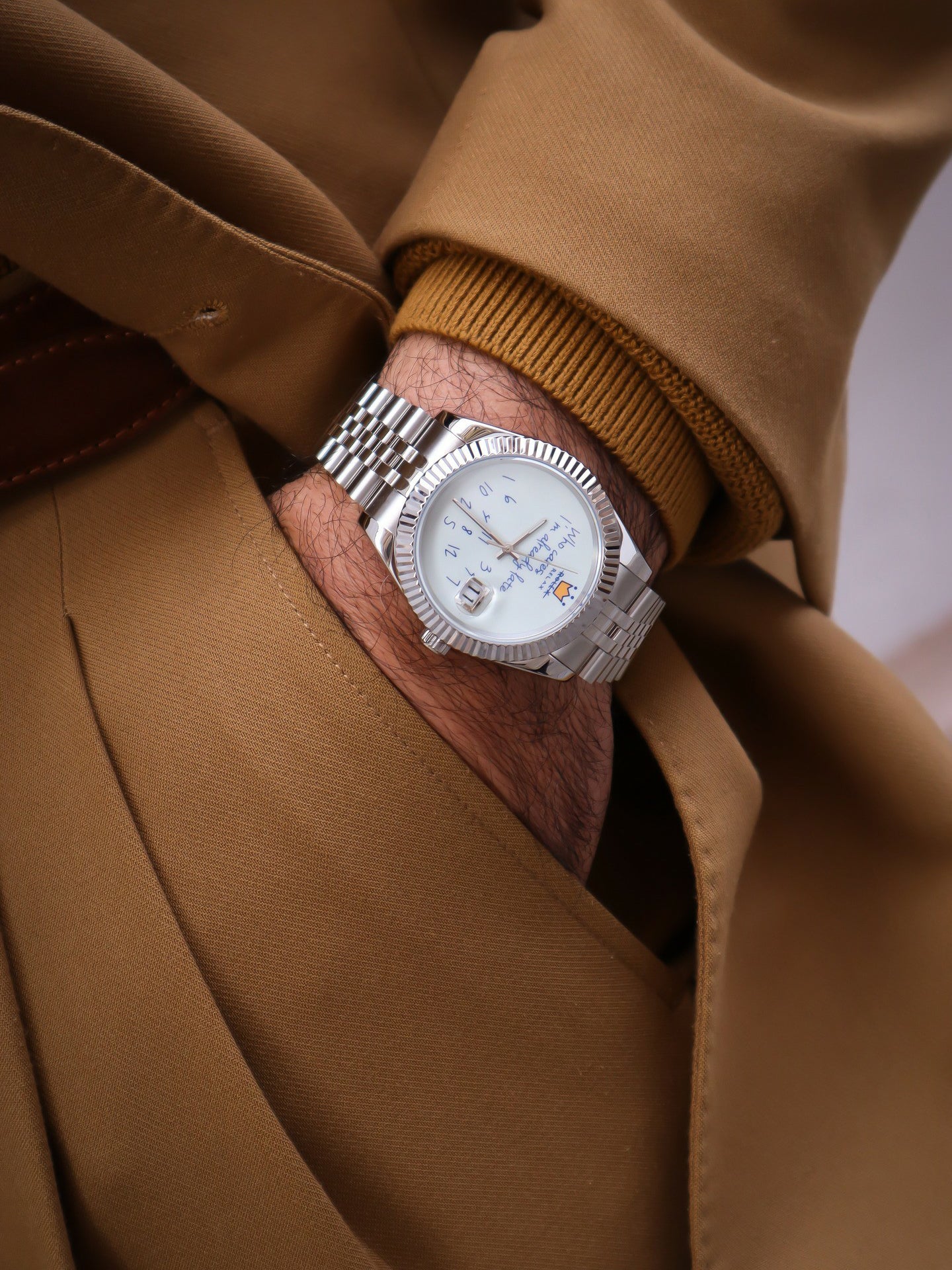
Wenn Ihr Arbeitsumfeld von Kundenterminen bis zu täglichen Büroaufgaben reicht, sind stainless steel watches for men oft die am einfachsten dauerhaft zu tragende Option. Ihr klassisches Erscheinungsbild passt sowohl zu formellen als auch zu Business-Casual-Dresscodes und macht sie für fast jede professionelle Umgebung geeignet.
Keramik: Ideal für Berufstätige, die einen klaren, modernen Look bevorzugen
Für Berufstätige, die ein gepflegtes und zurückhaltendes Erscheinungsbild bevorzugen, fügen sich ceramic watches natürlich in moderne Büroumgebungen ein. Sie passen besonders gut zu minimalistischer Garderobe und zeitgemäßer Businesskleidung, ohne zu formell zu wirken.
Carbonfaser: Am besten für Business-Casual- und Tech-Arbeitsplätze
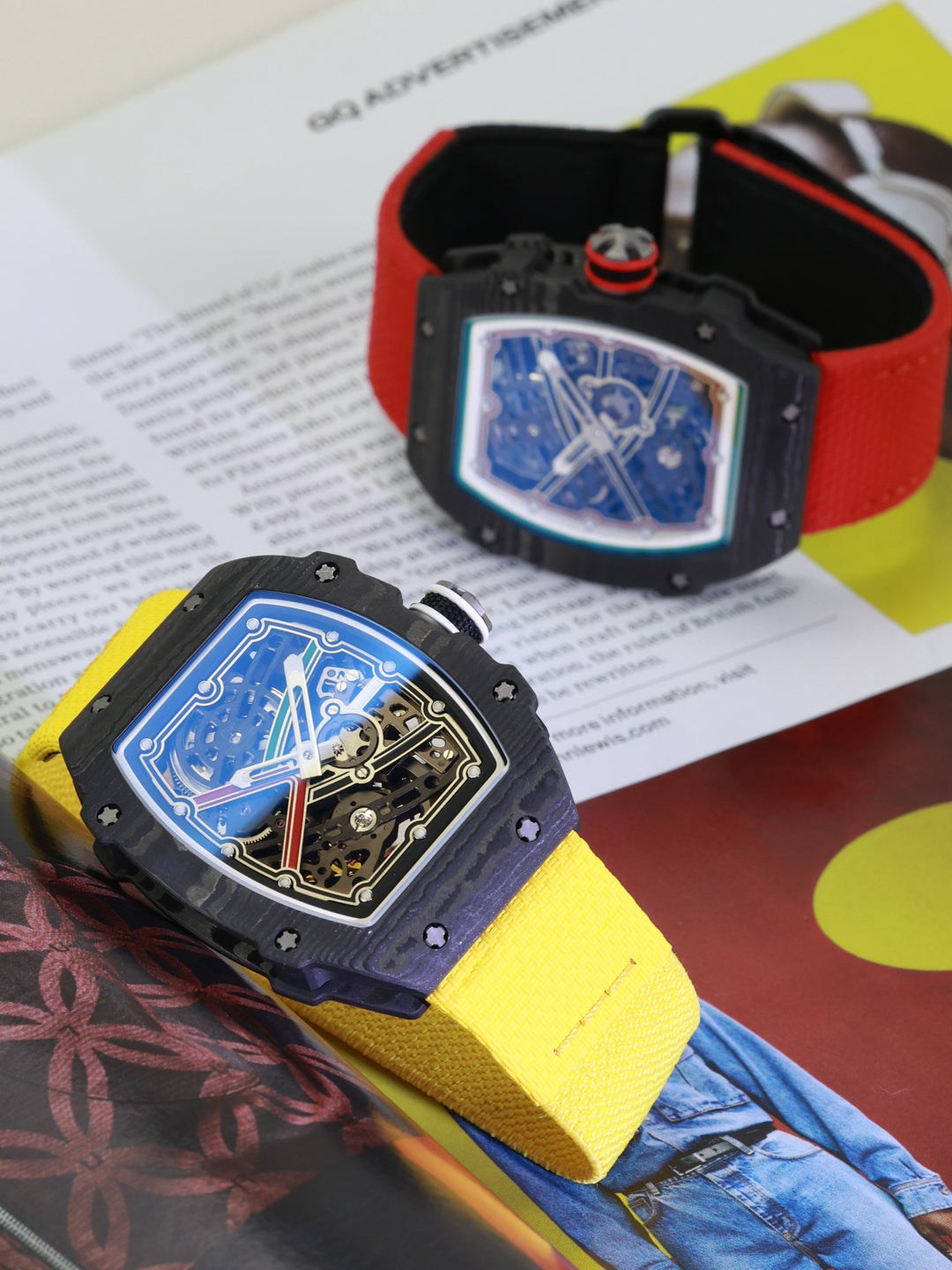
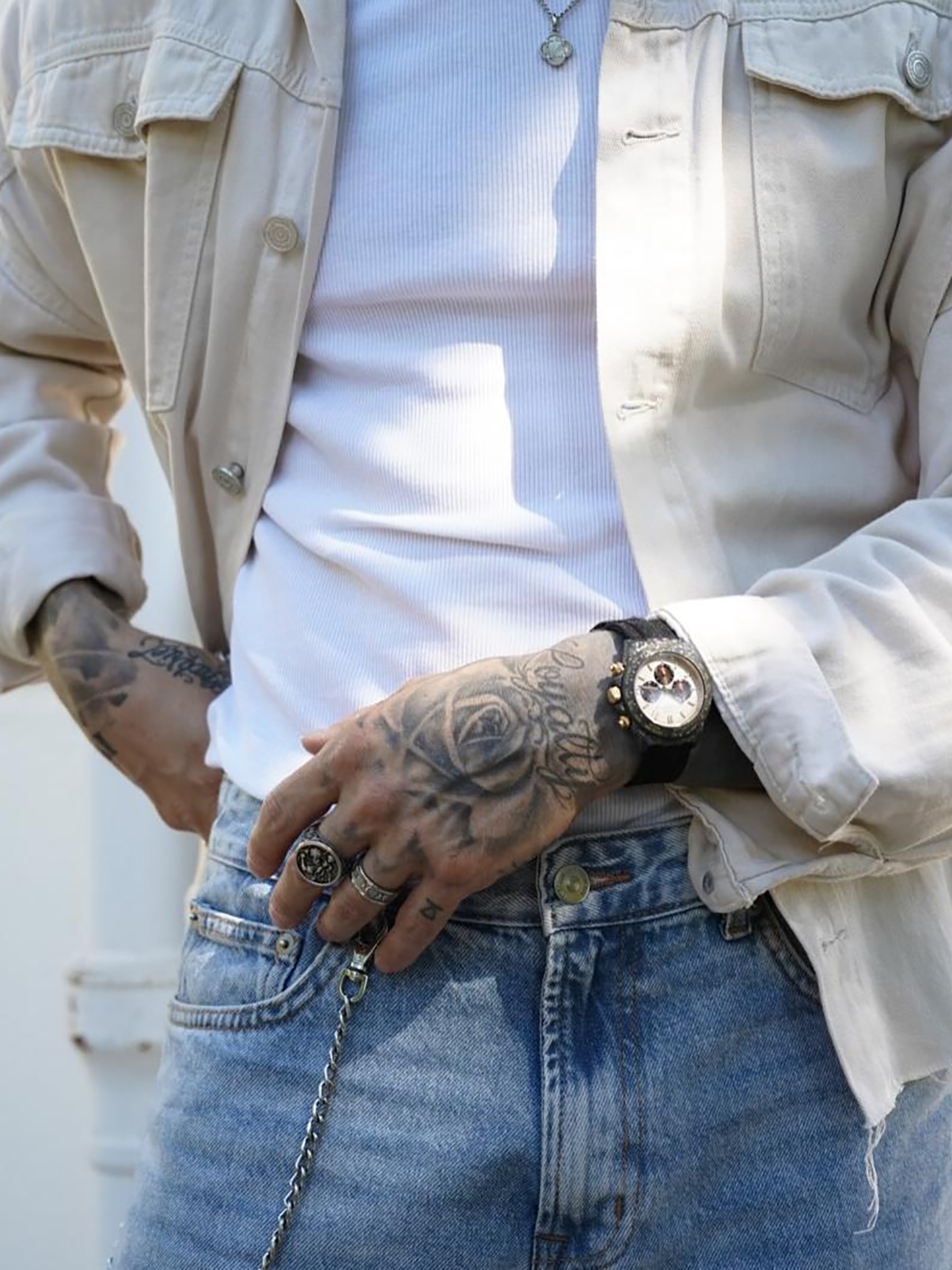
In Technologieunternehmen, Kreativagenturen und Start-up-Umgebungen können carbon fiber watches eine natürliche Wahl sein. Ihr modernes Erscheinungsbild harmoniert gut mit zeitgemäßen Business-Casual-Dresscodes und macht sie zu einer beliebten Option für Berufstätige, die etwas anderes als klassische Bürouhren suchen.

Was sich in unterschiedlichen Büroumgebungen am besten eignet
Die besten Uhren für formelle Business-Umgebungen
Branchen wie Finanzwesen, Recht, Beratung und das Top-Management pflegen oft traditionellere Kleidungsstandards.
In diesen Umgebungen sind zurückhaltende Designs meist am besten geeignet. Uhren mit klaren Zifferblättern, neutralen Farben und klassischen Edelstahl- oder Lederarmband-Konstruktionen ergänzen formelle Kleidung, ohne unnötig Aufmerksamkeit zu erregen.
Eine hilfreiche Stilregel ist, das Uhrenarmband nach Möglichkeit auf die Farbe Ihrer Schuhe und Ihres Gürtels abzustimmen. Dieses kleine Detail trägt zu einem stimmigeren professionellen Erscheinungsbild bei.
Die besten Uhren für Smart-Casual-Büros
Viele Arbeitsplätze arbeiten heute mit einem Smart-Casual-Dresscode.
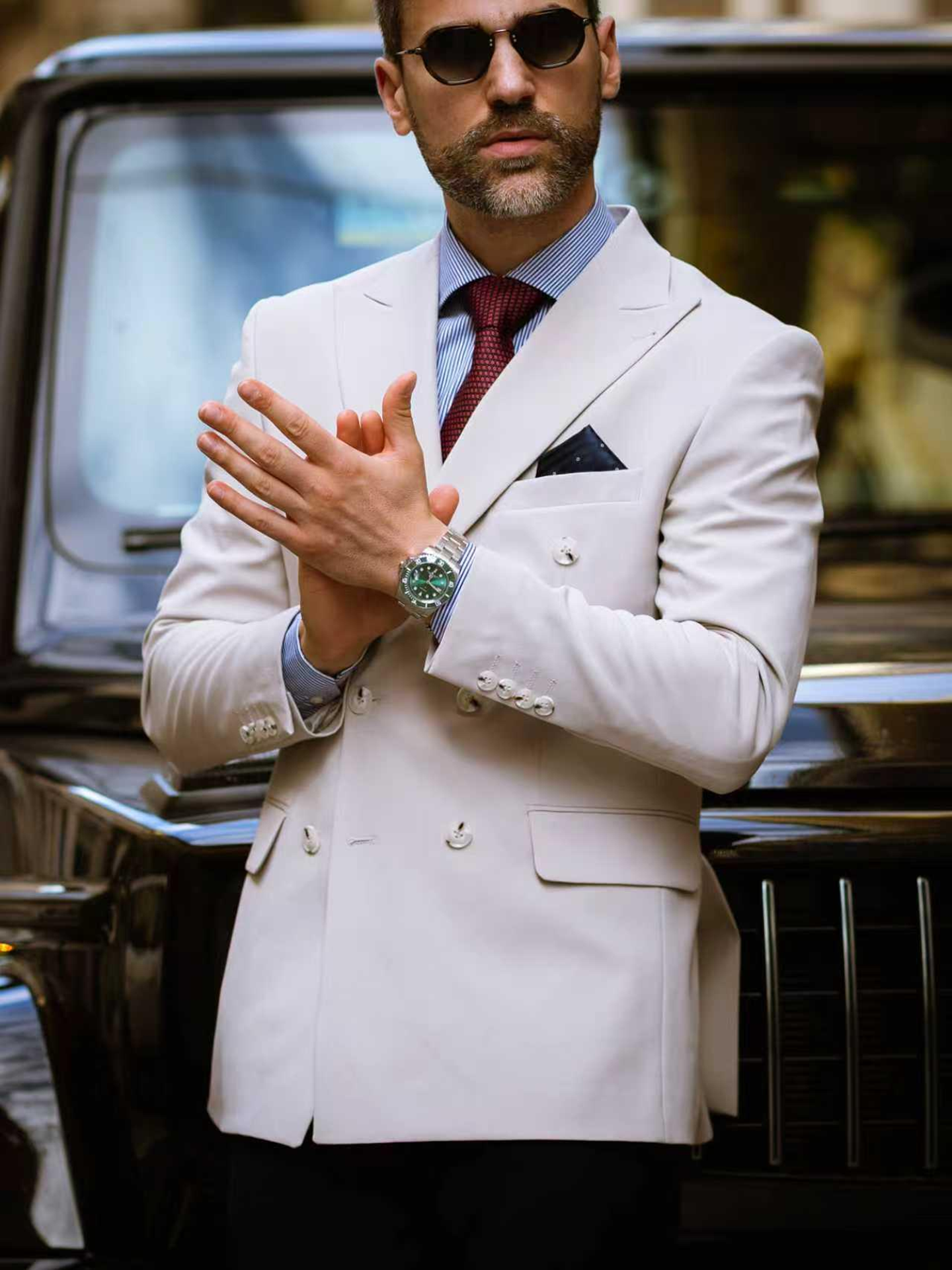
Mitarbeitende können Chinos, Poloshirts, legere Hemden und saubere Sneaker tragen und dennoch ein professionelles Bild vermitteln. In solchen Umgebungen schneiden vielseitige Edelstahluhren oft besonders gut ab, weil sie problemlos zwischen Meetings, Kundenterminen und Freizeitaktivitäten nach der Arbeit wechseln.
Eine zurückhaltende Stahluhr kann sich schnell zu einer Ihrer praktischsten Business-Casual-Uhren für den Alltag entwickeln.
Die besten Uhren für Tech- und Kreativberufe
Technologieunternehmen, Start-ups, Designagenturen und Medienorganisationen fördern oft mehr persönlichen Ausdruck als traditionelle Unternehmensumgebungen.
Berufstätige in diesen Branchen legen häufig Wert auf Komfort, Funktionalität und modernes Design. Materialien wie Carbonfaser und Keramik fügen sich natürlich in diese Arbeitswelten ein und sorgen dennoch für ein professionelles Erscheinungsbild.
Für Menschen, die viele Stunden am Schreibtisch verbringen oder regelmäßig zwischen kollaborativen Arbeitsbereichen wechseln, bieten leichte Designs oft zusätzlichen Komfort im Alltag.
Quarz- oder Automatikuhr für das Büro
Eine der häufigsten Fragen von Uhrenkäufern ist, ob Quarz- oder Automatikwerke besser für den Büroalltag geeignet sind.
Für viele Berufstätige bieten Quarzuhren einen unvergleichlichen Komfort. Sie sind präzise, wartungsarm und jederzeit sofort einsatzbereit, was sie besonders praktisch für volle Terminkalender und häufige Geschäftsreisen macht.
Berufstätige, die traditionelle Handwerkskunst schätzen, greifen oft zu men's automatic mechanical watches. Angetrieben durch die Bewegung des Handgelenks statt durch eine Batterie, bieten diese Zeitmesser ein intensiveres Besitzererlebnis und verleihen dem beruflichen Alltag Charakter.
Keine der beiden Optionen ist grundsätzlich besser. Quarz ist oft die praktischere Wahl, wenn es um Bequemlichkeit geht, während Automatikuhren Menschen ansprechen, die mechanische Handwerkskunst und Uhrmachertradition schätzen.
Häufige Fehler bei Bürouhren, die man vermeiden sollte
Eine zu große Uhr tragen
Übergroße Uhren mögen Aufmerksamkeit erregen, sind im beruflichen Umfeld aber nicht immer praktisch.
Eine große Uhr kann unhandlich wirken, an Hemdmanschetten hängen bleiben und in Kombination mit Businesskleidung unverhältnismäßig erscheinen.
Die Unternehmenskultur ignorieren
Jeder Arbeitsplatz hat andere Erwartungen.
Eine Uhr, die in einem Start-up völlig passend wirkt, kann in einer Anwaltskanzlei zu lässig erscheinen. Das Verständnis Ihrer Unternehmenskultur ist oft wichtiger als aktuellen Trends zu folgen.
Benachrichtigungen Meetings stören lassen
Für Smartwatch-Nutzer können Benachrichtigungen zu einer unerwarteten Ablenkung werden.
Häufige Warnungen, Vibrationen und akustische Signale können Meetings oder Gespräche unterbrechen. Wenn Sie Benachrichtigungen im Griff behalten, wirkt Ihr Auftreten während des Arbeitstages professioneller.
Fazit
Die beste Herrenuhr für das Büro zu finden bedeutet nicht, das teuerste Modell zu wählen. Ziel ist es, eine Uhr auszuwählen, die bequem sitzt, zu Ihrer Arbeitsumgebung passt und sich natürlich mit der Kleidung kombinieren lässt, die Sie jeden Tag tragen.
Eine praktikable Größe, ein klares Design und ein passendes Material sorgen in der Regel für mehr langfristige Zufriedenheit als übergroße Gehäuse oder auffällige Funktionen. Konzentrieren Sie sich auf Vielseitigkeit, Komfort und Alltagstauglichkeit, und die Wahrscheinlichkeit ist viel höher, dass Sie eine Uhr wählen, die über Jahre hinweg Teil Ihrer beruflichen Garderobe bleibt.
Mit Bedacht gewählt, ist eine Uhr mehr als nur ein Mittel zur Zeitanzeige. Sie wird zu einem verlässlichen Accessoire, das bei einer wichtigen Präsentation, einem Kundentermin oder einem gewöhnlichen Arbeitstag im Büro gleichermaßen passend wirkt.